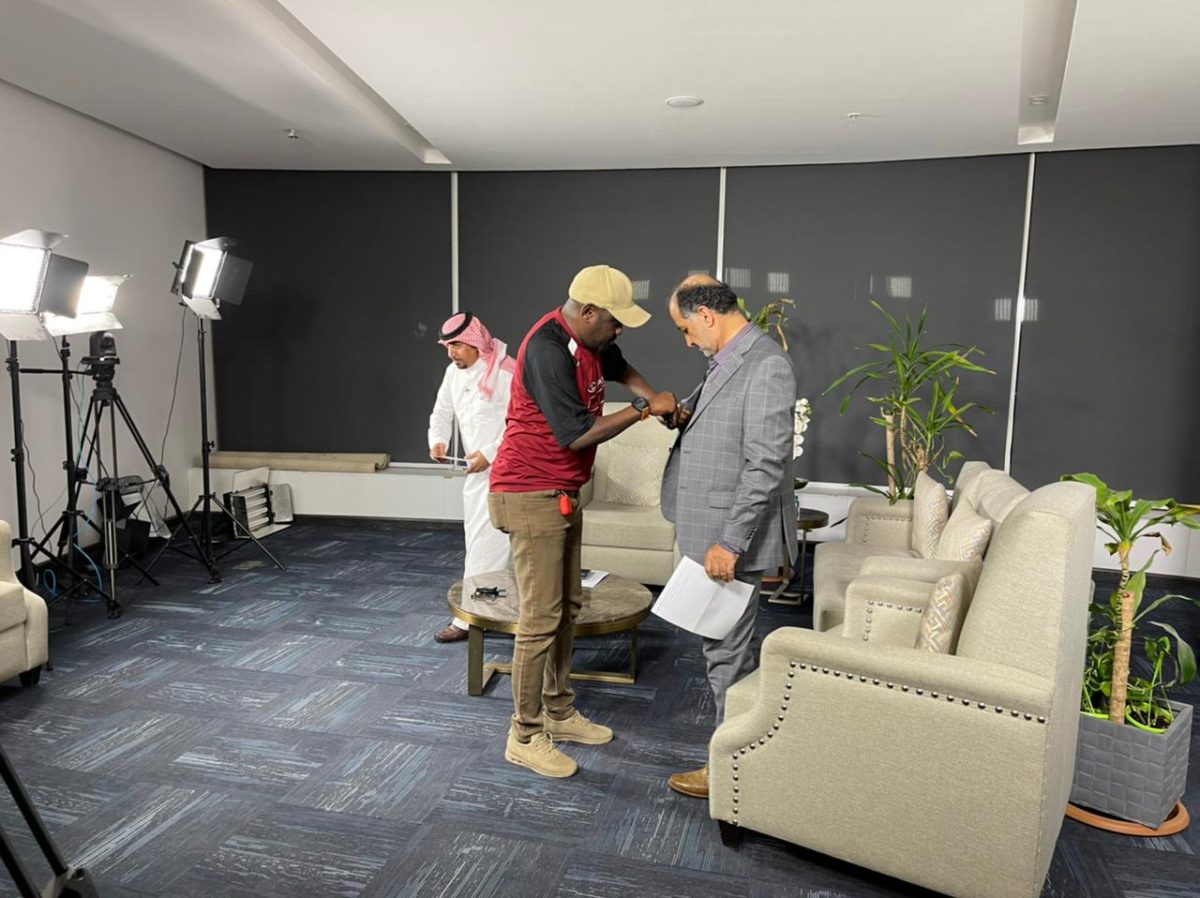
Dr. Aboul Raziq Kakar is a Doctorate in Animal Science with a specialized focus on dromedary camels as a sustainable dairy animal. With a career dedicated to unlocking the potential of camels as a solution to food security under climate change challenges, Dr. Kakar has been actively working in this field since 1998. Over the decades, he has established himself as a leading expert in camel dairying, combining academic rigor with extensive hands-on experience.
Since 2014, Dr. Kakar has been exclusively associated with the world’s first commercial camel dairy, Al Ain Camel Dairy in Abu Dhabi, UAE, where he has further refined his expertise in camel milk production, farm management, and sustainable practices. His work is driven by a vision of the camel as a miraculous biological model, uniquely adapted to thrive in the face of a warming planet while producing nutrient-rich milk and meat that promote human health.
Dr. Kakar’s expertise spans a wide range of areas, including camel dairy traits, breeding goals, nutritional requirements, calf rearing, housing systems, future planning, camel milk marketing, and the management of profitable and sustainable camel farms. He provides global consultancy services to establish and develop camel dairies that are both economically viable and environmentally resilient.
In addition to his work in camel dairying, Dr. Kakar has made significant contributions to ecological and eremological (desert ecology) studies. He has extensive experience in rehabilitating livestock ecosystems, particularly in arid and degraded environments, to restore ecological balance and productivity. His work focuses on integrating traditional knowledge with modern scientific approaches to address challenges such as overgrazing, desertification, and climate change.
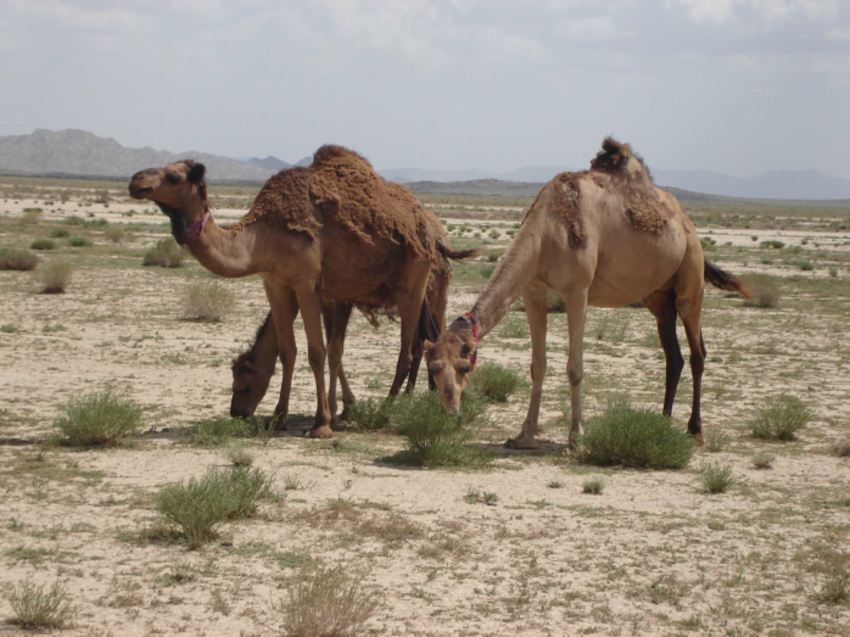
Dr. Kakar’s deep connection to nature and his unwavering belief in climate change adaptation and sustainability distinguish him from his peers. He has documented the production potential of native livestock breeds, including two camel breeds (Kohi and Raigi), under climate change scenarios, highlighting their resilience and adaptability in harsh environments. His research underscores the importance of preserving biodiversity and promoting sustainable livestock practices in the face of global environmental challenges.
As an advocate for sustainable livestock production, Dr. Kakar has developed innovative solutions to complex ecological problems, particularly in arid and semi-arid regions. His work not only advances the role of camels in addressing food security and environmental sustainability but also contributes to the broader understanding of desert ecosystems and their rehabilitation.
Dr. Kakar’s holistic approach, combining ecological restoration, eremological research, and sustainable livestock management, reflects his commitment to creating a harmonious balance between human activity and the natural world. His efforts continue to inspire and guide the development of resilient agricultural systems in the face of a changing climate.
The structure of the whole camel lactoferrin. Lactoferricin and lactoferrampin peptides have been highlighted
Lactoferrin is a magical protein
Lactoferrin is the second major protein after casein found in camel milk. Lactoferrin increases the shelf life of the milk, therefore the camel milk with a higher content of lactoferrin (62–651 mg kg−1) has a longer shelf life without any external support. Some references are available below.
The camel herders use this quality of camel milk (Bio-preservative) to preserve camel milk (CaM) for a longer period of time. They just store camel milk in a skin bag (sheep/goat) let it get sour (fermentation) and then use it for a very long period of time.
Lactoferrin is a magical molecule found in camel milk
Lactoferrin can also be used for the biopreservation of foods such as milk, meat, fresh-cut fruits and vegetables, and their products to increase shelf life. While visiting the camel herder communities in different parts of the world, I found the unique fact that some communities use camel milk as a bio-preservative and add to other kinds of foods to increase their shelf life naturally.
Not only boost immunity but increases the shelf life of the milk
CaM lactoferrin has several biological functions, including iron metabolism, promoting immune function, and providing defense against pathogens through its bacteriostatic and/or bactericidal properties. Some scientists have named lactoferrin as the micro-bullet, killing the pathogens. For further reading about the natural healing power of CaM, please click the link.
The structure of the feature image is taken from the article with the citation below. TY – JOUR, Pirkhezranian, Zana, Tahmoorespur, Mojtaba, Monhemi, Hassan, Sekhavati, Mohammad Hadi. PY – 2020/12/01 SP – T1 – Computational Peptide Engineering Approach for Selection the Best Engendered Camel Lactoferrin-Derive Peptide with Potency to Interact with DNA VL – https://link.springer.com/article/10.1007/s10989-019-10012-7 JO – International Journal of Peptide Research and Therapeutics ER –
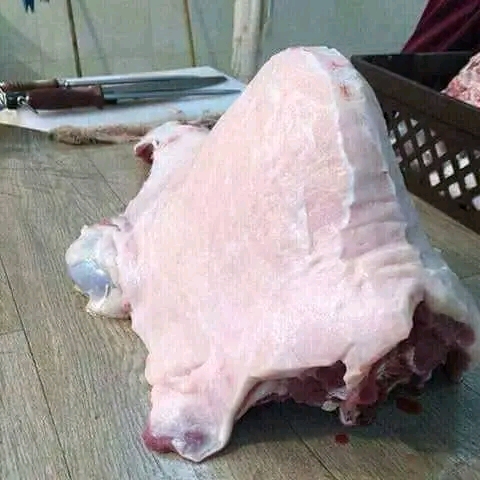
It is a myth that the hump is full of water. In many places, the hump is the most prized part of the animal, as it is considered fattier and more tender than the rest of the beast. Camel hump is made of fats. When camels turn fats into ATP during the scarcity of feed, water is produced as a byproduct. Metabolism produces about 110 grams of water per 100 grams of fat combustion. A hump of a healthy camel with medium size having a weight of almost 40 kg.
In some traditions, the camel herders’ communities cook their food in the camel hump’s fats (CHF). Some people eat the CHF raw as a food, energy booster, and dewormer. Some communities including the traditional healers use the CHF for some medicinal purposes by extracting the oil. In recent history, the CHF has been used for cosmetic purposes in many regions of the world.
In the ensuing lines, I shall be very happy to share some very important information related to CHF and its uses in traditional healing techniques.
CHF (oil) benefits and uses
Since ancient times, and throughout history, we found in most folk medicine books that CHF has many important uses. For ages, the traditional healers used CHF as an efficient dewormer.
Also, CHF is being used for the relief of cold pain (pain without fever), arthritis, and also to treat cold cough, asthma, whitening of the skin (dermatitis), hair care, and fattening (treatment of skiny disease) as well.
There are many benefits of fat extracted from camel hump on the human body, as can be summarized in the following points
Eating a spoonful of camel’s hump twice a day will clean the human gut from the worms.
CHF oil is the best moisturizer for human skin, especially in dry and cold weather
Traditionally, the CHF is crushed and tied to the abdomen of the woman after childbirth. It helps in strengthening the abdominal muscles and prevents the sagging of the abdomen
If massaged with the CHF oil, the pain in the hands, neck, legs, and vertebral area will evaporate
Treatment of joint pain and rheumatism, in addition to muscle tension, because it works to relax and get rid of spasms in general
Application of CHF oil on the skin prevents sunburn and darkening of the skin from the sunshine
Increasing libido in men, as it increases erection and sexual desire both by eating CHF/oil and application on the organs directly
Treating respiratory infections, specifically asthma, by eating it on an empty stomach few days (one spoonful of CHF oil)
Treating cracking and dryness problems in the feet, especially the heels and ankle area
CHF oil is one of the natural remedies for different hair problems because it nourishes the hair from the roots to the ends, and increases hair density and softness, in addition to treating the problems of baldness, specifically in men. Massaging the hair with CHF oil twice during the week, half an hour before showering will give magic results
Traditionally it has been used for childbirth difficulties in women among the nomadic people and others
How to prepare and prepare camel hump fat
2 kg of CHF is cut into small pieces. Put the small slices in the pot over low heat and leave it until the grease dissolves in whole or in part. Remove the pot from the fire when the oil has been released from the fats.
Filter the oil with a piece of Muslin cloth, it is preferred to collect and store the oil in a glass bowl. The oil is kept and used accordingly whenever needed.
Application of CHF Oil in different situations
For the treatment of asthma
Mix an amount of dissolved hump fat with a little honey, and eat it on an empty stomach, and before going to bed on a daily basis, it is possible to replace honey with a quantity of Rashad love.
For hair
Dissolving a quantity of camel hump fat on a quiet fire until it becomes like oil, and then mix it with a little olive oil or coconut oil, and it can also be mixed with any hair cream to treat hair, as it is applied to the hair twice in one week until you get the desired result.
For the Skinny disease
by mixing equal amounts of dissolved hump fat and flax seeds with sesame and peanuts, and twice the amount of almonds, with an appropriate amount of melted chocolate.
A specialized CHF product is prepared in the United Arab Emirates
Jamal Bakhit Mohammad Abdulla Al Falasi, 50, in the back kitchen of his home in Dubai’s Al Mizhar community, opens a small tub and scoops out some of its yellow wax-like filling with a small spoon, encouraging the journalist to rub it into my hand. “This cream tightens the skin, it has no chemicals. It really works like magic, and” stresses the owner of The Wadak Cream company, “you can use it anywhere on the body. It is very popular with women, especially if they’ve had children.” The details of Jamal’s story are provided in the link.
The camels are marked or branded for 2 purposes; 1. Identification (family mark) 2. Treatment of ailment, especially tendons and ligaments
Identity sign
The mark or the mark is a specific sign that is placed on a specific place in the body of the camel so that the owner of this camel is known, and it is ironed with fire. Some tribes/families with their identity signs in the following lines. The marking on camel skin is almost equally common in all camel communities in the world.
The name of camels among the Arab Bedouins has deep connotations other than the fact that it differentiates between them. The camels are marked with a starting point after reaching a year and a half, about 18 months. It is marked in the groin or neck area, or sometimes both
Azila puts (a family name tag) that distinguishes it from the rest of the tribe.
Al-Sima had a role in preserving the camels, and the invaders, when they found the camels, had the hands of one of the strong tribes, avoiding their invasion of the power of their people.
Acknowledgment
The material for this post was provided mainly by Muhammad, a camel lover and activist from Morocco.
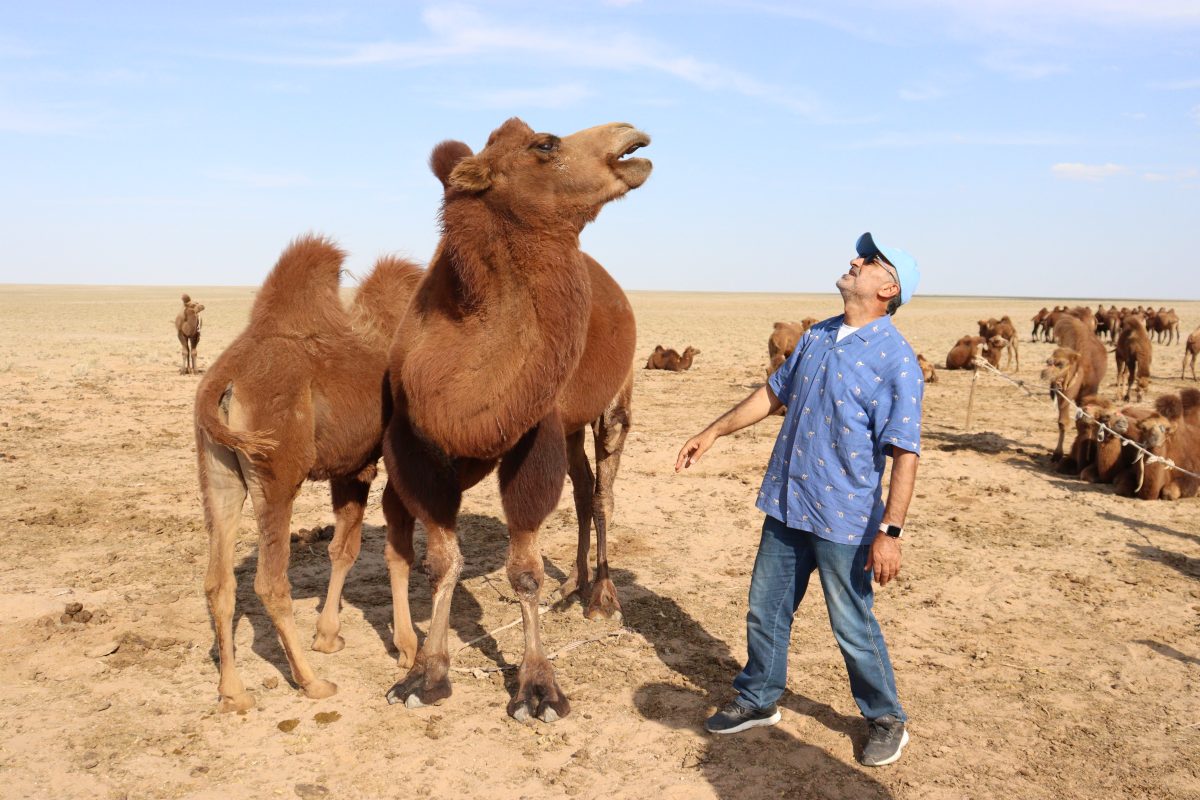
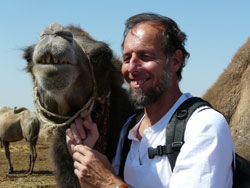
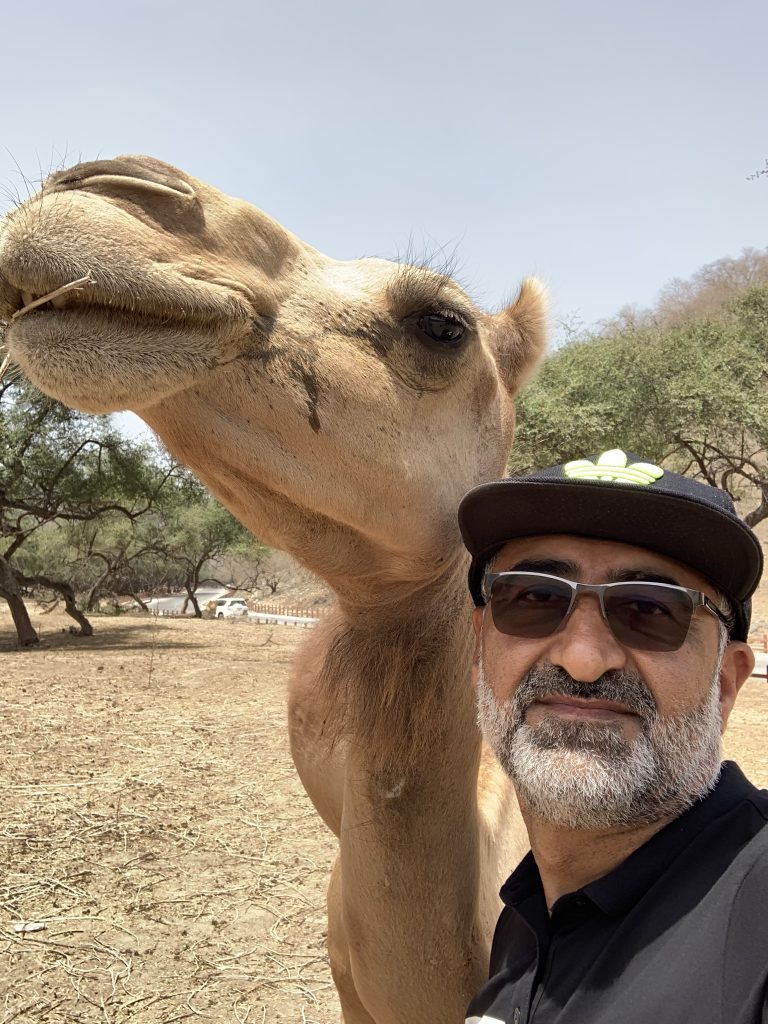
Speaking with a camel in Gobi desert, Mongolia. The author is a camelogist, camel lover, advocating camel for life.
What is the MERS?
MERS was first detected in 2012. But since then, it has been regularly reported from multiple countries in Asia, the Middle East, and Africa. Middle East respiratory syndrome (MERS) is an illness that can cause respiratory infection. It is caused by a common type of virus called coronavirus. These viruses cause mild to moderate respiratory illness. But in some cases the symptoms are severe.
The Latest News (July 2023) of MERS
A 28-year-old man hastested positive for (MERS-CoV) in Alain, Abu Dhabi on the border with Oman, the World Health Organization said on Monday. The affectee had no contact with the camels.
There is no immediate cause for worry or concern, a public health analyst and epidemiologist have told Down To Earth (DTE) a day after the World Health Organization (WHO) confirmed that a man had been infected with the deadly Middle Eastern Respiratory Syndrome coronavirus (MERS-CoV) in the United Arab Emirates (UAE).
Dr. Abdul Raziq Kakar, international camel dairying consultant, founder of World Camel Day, and Camel4Life International, who resides in Al Ain, however, told DTE that the case should not be used to villainize camels.
A MERS Case Reported was from UAE in February 2021
The case is a 39-year-old male national, owner of a camel farm. He developed a fever and cough on 18 January and visited a private hospital several times with no improvement. The condition of the case worsened, and on 24 January, a chest X-ray confirmed the diagnosis of pneumonia. On 26 January, he was admitted to a private hospital and was transferred to a governmental hospital on 28 January. A nasopharyngeal swab was collected on 31 January and tested positive for MERS-CoV by reverse transcription polymerase chain reaction (RT-PCR) on 1 February at the Shiekh Khalifa Medical Center laboratory in Abu Dhabi. He has no underlying conditions. SARS-CoV-2 testing was performed more than once, and it was negative. No history of previous infection or exposure to SARS-CoV-2 was reported. The case reported a history of close contact with dromedary camels at his farm in the 14 days prior to the onset of symptoms. No travel history was reported during the same period. Currently, the patient is in stable condition. https://www.who.int/emergencies/disease-outbreak-news/item/2021-DON314
Is MERS Really Transmitting from Camel?
It is the burning question of the day. An article was published in a local newspaper regarding the presence of MERS-CoV in camel nasal discharge. As per the ‘The National’ newspaper report, the MERS-CoV is present in almost the majority of the camels in Africa and the Middle East.
Bats and Camels are the Natural Reservoirs of MERS CoV
MERS-CoV is found in Bats and camels both. Both animals are the reservoirs for it. One Chinese study revealed that it is found in the Bat only.
Conclusive Remarks of Famous Camelogists
According to Bernard Faye (the famous camelogist and veterinarian), in his camel farm in KSA, all the camels were MERS-CoV positive but there was no sign of Virus transmission among the workers. Also, no camel showed signs of infection in the 3 years period of time. (Pers. Comm.)
FAYE, Bernard, famous camelogist. He is a French Veterinarian and global camel researcher.
The author (Camelogist Dr. Abdul Raziq Kakar) has been working closely with camels for the last 9 years and has contact with at least 400 camels daily. Also, many members of my team have close contact with camels on a daily basis. We have not noticed any camel or human has shown any sign of sickness. But if we check the nasal and fecal samples, we will find the viruses and other microorganisms including MERS CoV.
Many other colleagues (camel owners, farmers, workers, and more) said that they had not noticed any such infection. According to a very reputable research study conducted by Dr. Wernery and his team (Wernery is the scientific director of the central veterinary lab of Dubai), the virus is rarely transmitted from camel to human.
Some very important and conclusive remarks/findings
Only there is very little chance of transmission for those who are already very weak and sick and facing immuno-depression.
It does not affect the camel’s health either.
Only nasal discharge can be noticed in newborn calves infected with MERS
The virus is found in nasal discharge and transmitted via nasal way, therefore studies conducted used nasal swabs as the source of the virus
The camel products, especially the milk and meat are 100% safe as this virus has no viability below 4C and above 20C
Also, the virus is not discharged in milk and meat. There is no reason to consider that camel milk or meat could be a way of contamination as the virus is excreted only by the respiratory way
The deep reality
When I read much more about MERS and camels, I reached the conclusion that blaming camels for MERS is a political/business motive to terrify the people and sell vaccines in the future. In business, there is no rule at all.
The take-home message
So there are no worries, do not avoid camel products. Please use camel milk as before. Camel milk is a natural pharmacy, that boosts immunity and keeps infections at bay.
Camel is really a unique and incredible player of the worlds' driest and arid ecosystems
Who is a Camelogist?
A desert explorer in the UAE, commonly known as a “camelogist,” is someone who specializes in the study and understanding of camels and their behavior in desert environments. These experts have extensive knowledge of camel physiology, behavior, and their adaptations to survive in arid regions. They often work closely with local communities and organizations to promote sustainable camel husbandry practices and conserve camel populations. Camelogists may also play a crucial role in camel racing events, camel milk production, and research related to camel health and genetics. Their expertise contributes to the overall understanding and conservation of camels in the UAE’s desert ecosystems.
Dr. Bernard Faye, French Camelogist
While camelogists may not be as well-known as some other fields of study, there are several notable experts and researchers who have made significant contributions to the field.
Here are a few well-known camelogists
1. Dr. Bernard Faye: A renowned French veterinarian and camel specialist who has extensively researched and worked with camels in various regions, including the UAE and Africa.
3. Dr. Ulrich Wernery: A German veterinarian and researcher who has focused on camel diseases, camel reproduction, and camel milk production in arid regions.
4. Dr. Ilse Köhler-Rollefson: An ethno-veterinarian and camel advocate who has worked with pastoral communities in India and Rajasthan, promoting sustainable camel husbandry and conservation.
These are just a few examples of individuals who have dedicated their careers to studying camels and their role in desert ecosystems and human societies. There are many other researchers, veterinarians, and experts around the world contributing to the field of camelogy.
The founder (author) of the World Camel Day addressing to the audience
Like before, World Camel Day was celebrated this year in different parts of the world. The author of this important day (Dr. Abdul Raziq Kakar) participated in the events held in Alain and Dubai of the United Arab Emirates.
Visit of the Camel Lovers, activists, researchers,s and businessmen to the Alain Farm (Camelait Milk)
Ahmed, camel traveller with the authorThe group photo in front of camel milk factory Alain
The Camel Post Cards in Camel Day Event Dubai
The speakers talked about camel and camel milk
Some random clicks from the event
Some very important but basic information about the World Camel Day.
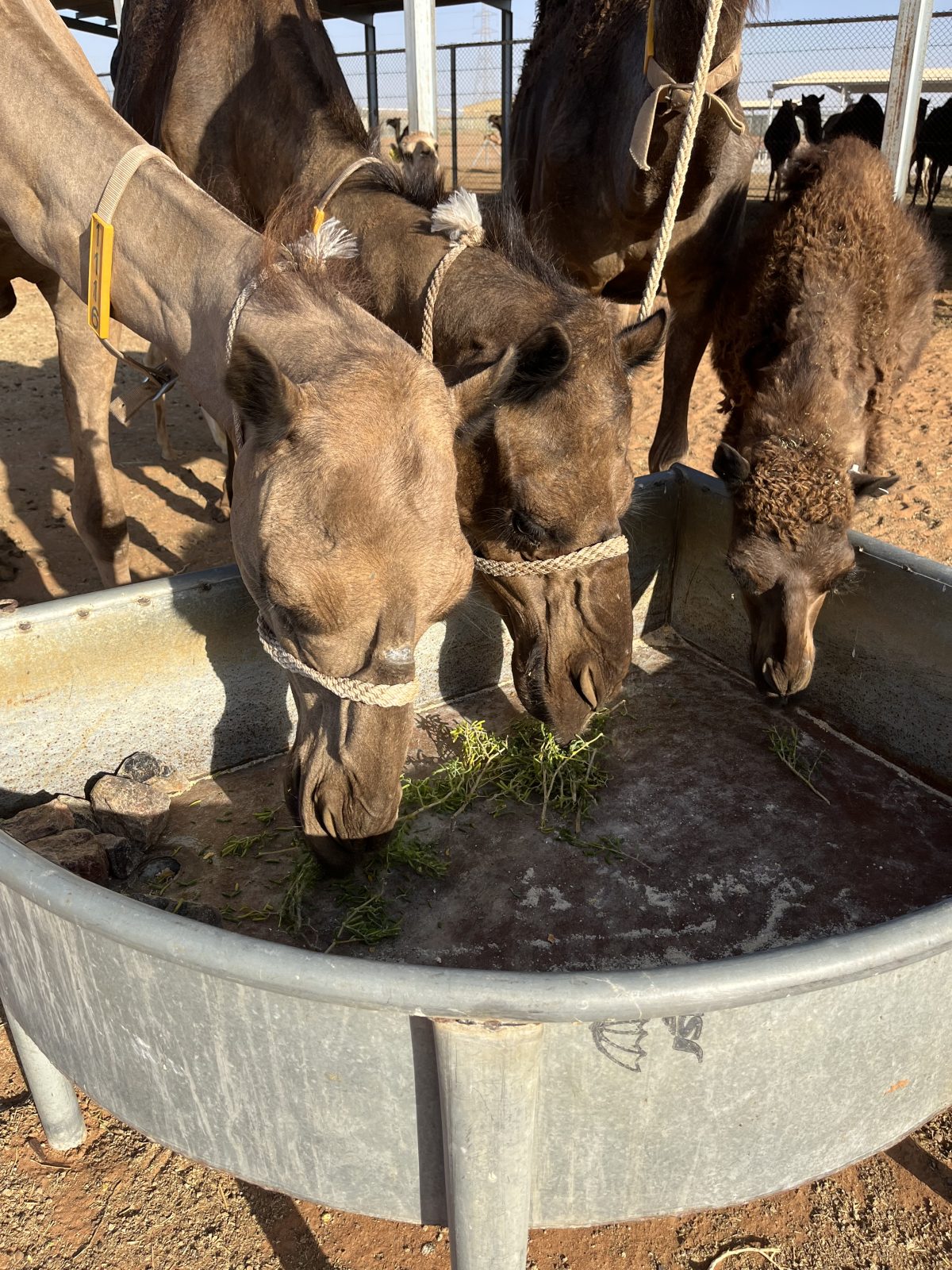
Camels separated are eating native herb for better wellness
Practical experience with a big herd of dairy camels
Practically, I have been working with camels since 2004 ((almost 18 years). For the last 9 years, I’m working as a technical manager with an entity of camel milk production farm in the UAE. We have very high-yielding camels, and some of them are producing extraordinary quantities (>15kg/day).
Feeding regime for the lactating camels
In routine, we provide Alfalfa hay (adlib) plus TMR (total mix ratio with 15% CP and 75 %TDN) about 5-7 kg/lactating camel. The camels producing up to 10 kg of milk can fulfill their nutrient requirements (esp. CP and energy) from this feeding regime but the high yield (10 and above) can’t fulfill their requirements, especially the energy and vitamins.
For a lactating camel who produces up to 10 kg of milk per day, the net energy (NE) and crude protein (CP) requirements are 95 MJ and 200 g respectively.
The high-yielding camels go to a negative nutrient balance (energy), usually, the camel gets sick, mostly because of ketosis (to fulfill the energy requirements from fats, ketone bodies are produced) which depress the immunity. Many blood tests become positive, enzymes are up and down, fever, off-feeding, etc. happen. Usually, the Vets misunderstand the situation and follow the results of the tests. They inject high doses of antibiotics, antiprotozoal, and others, resulting in the body’s mechanism collapse.
Complex stress in dairy camels
Complex stress of high yielding and a lower energy intake almost kills the camels. The last straw is overdosing on medicine (chemicals and drugs) for the so-called treatment. In such conditions, additional energy allowance, feeding of herbs (native plants), and giving special care to the individual camels are really very practical and helpful. The camel is like birds (the birds and camels have the same Hemoglobin, oval shape), very sensitive to the fungus in feed, and highly reluctant to drugs (especially injections and infusions).
Recovery after high-energy diets and feeding with native plants additionally
In some cases with high-yielding elite camels, I restricted the treatment with drugs but only systematic treatment (antipyretics and vitamins) was allowed. We put them separately and provided cornflakes or date syrup with salts and desert plants (Detrigium glaucum, Zygophyllum qatarenses, Calligonum comosum). Such a feeding cum boosting mechanism really helped and the camels started recovering in a week. Here is a video of a very high-yielding camel that recovered in a week, from zero milk to 20 kg/day again.
A bunch of native herb provides more nutrients and medicine than a cartoon of factory made drugs.
Dr. Raziq Kakar
Way forward
Keeping the animals (especially the camels) stress-free and happy is actually keeping the camels healthy. Better to void stressful treatment with antibiotics and shifting such high-yielding camels to energy-rich feeding mechanisms really helps. The local herbs (flora) really help and provide unknown health-promising nutrients.
Further reading
Here are some important links about camel dairying in the following lines.
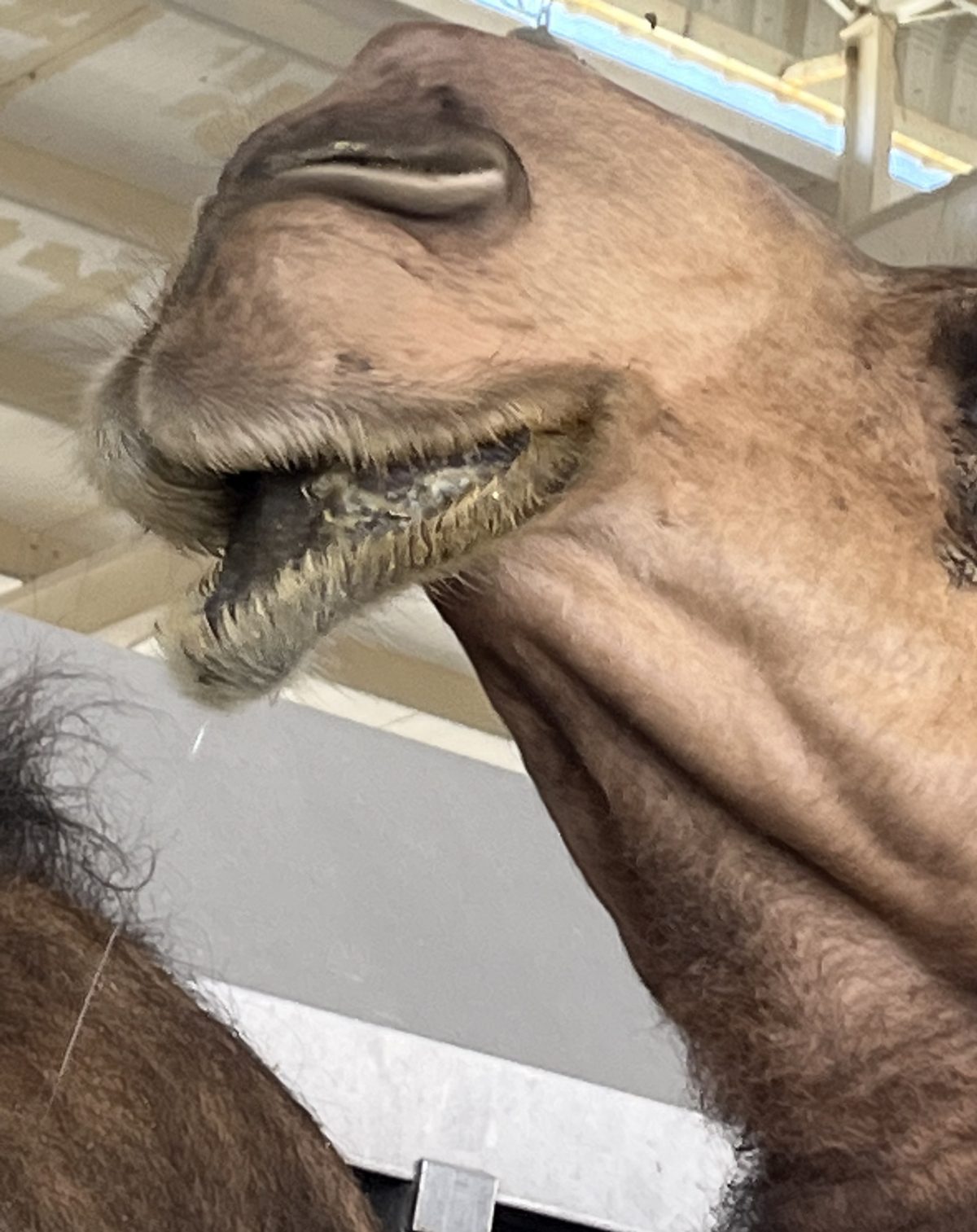
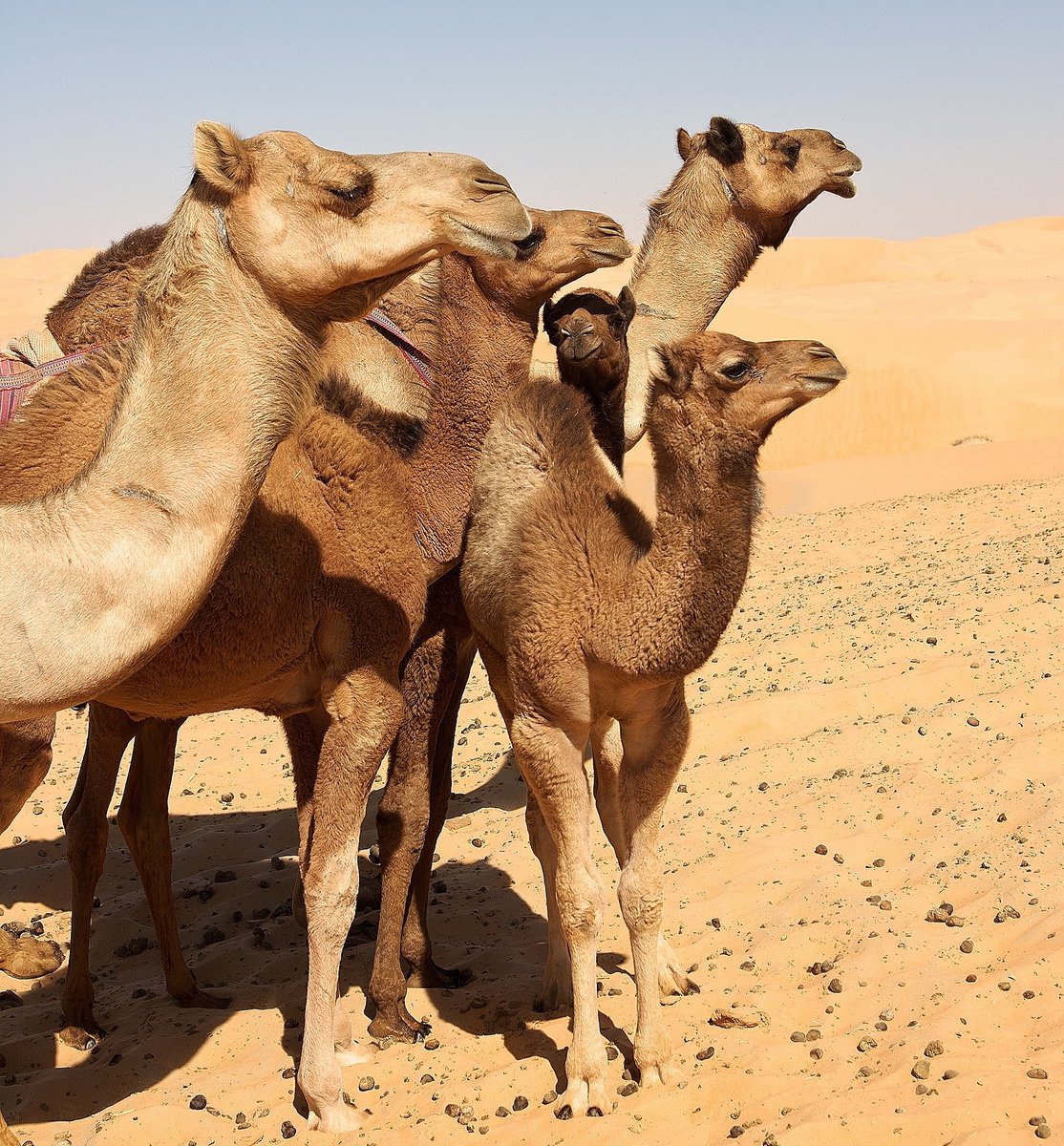
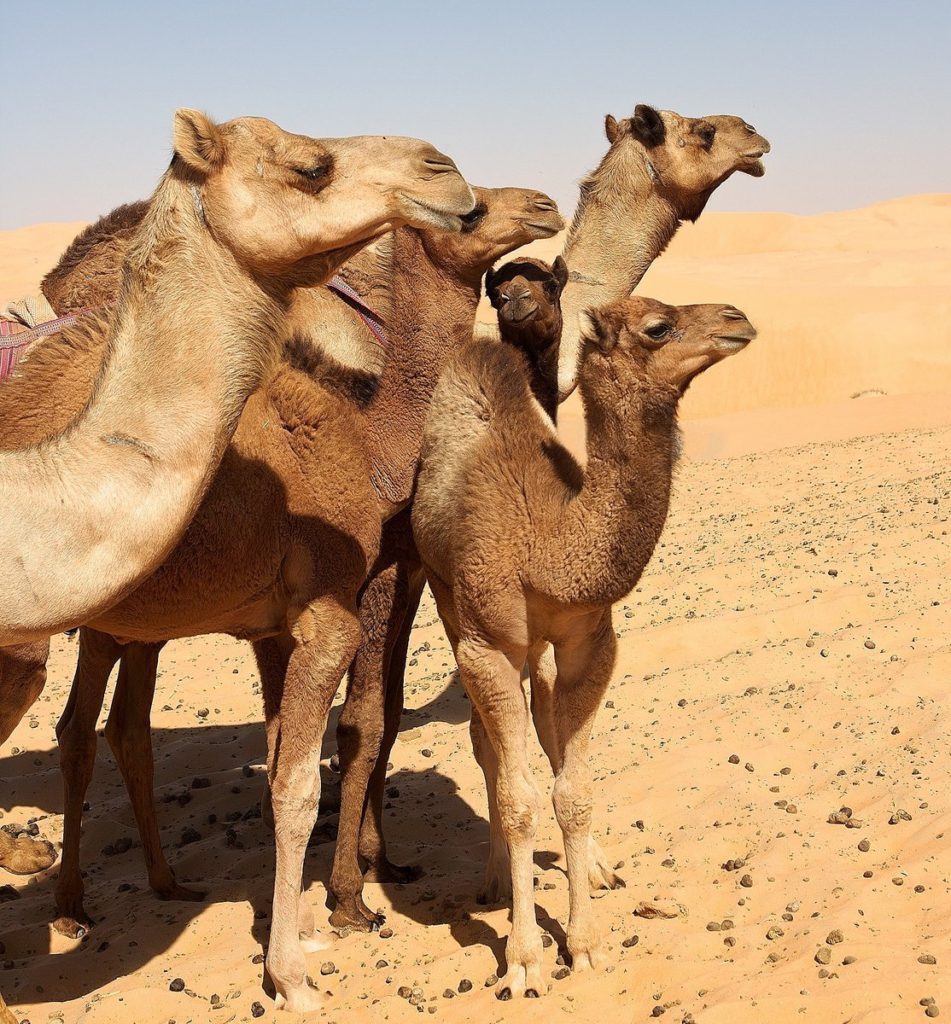
Camels have many types of faces and looking very different from eachother
The facial design and structure can’t predict the milk production potential
The camels look different based on their phenotypes (visual appearance) but they almost have very similar traits for the production. The visuals are from the milking camels at the milking parlor in Alain, apparently, they have different faces, nostrils, eyes, eyelids hair but they all are producing almost the same quantity of milk. Based on the record, their milk is more than 10 liters per camel per day. Maybe to some extent, we can guess the high-yielding camels by their face (imagining the breed for high yield) but with little accuracy. Here is a short video of the faces.
Dhofar is centric on the frankness trade and history of the region. Almost 60% of the Omani camels are inhibited in the Dhofar region which is predominantly comprised of the Dhofari or Khawar breed followed by MAHALI (a thorough crossbred of Khawar, Majaheem, and Brela). Such a combination is also called a MUHAJAN or Majajan. Khawara is resistant to mange (to a high level), beautiful in color, docile, and a good milch breed. A rich color diversity, having dark brown, light brown, fawn, reddish, white, and creamy red colors, color diversity comes with the diversity of landscapes and ecosystems. With a medium-sized head, the breed has a deer’s mouth (Their lower lip is not hanging like other fellows of the desert). They have a medium head with a medium-sized neck and ears.
Like other camel fellows, Khawarah is a multipurpose animal, performing many tasks for their owners but milk production tops the other features in the Khawarah camels. There are some very important arguments proving it is a fashoosh camel. Fashoosh means a friendly camel with highly desirable teats and udder with very easy milking.
Selection of dairy camels for milking-ability in machine
Habitat of Khawara or Dhofari camel breed
Mostly found in the Southeastern Arabian Peninsula. True specimens of the breeds are found in the Dhofar region, especially Salalah. The nucleus herds of the breed with purity are found in the mountainous region of Salalah, where they can browse on good woody vegetation of combtree (anogeissus dhofarica), Acacia, and other trees and shrubs.
Khawar is one of the dairy queens
Based on my personal long experience with dairy camels, our best high-yielding and easy-milking camels are mainly from the Khawarah breed. I have been working with the world’s most modern and pioneer camel dairy in the world. They have medium-sized teats with strongly attached but deep udder. The teats are conical in shape and very well fit for the machine milking. They have very good milking ability and shorter actual milking time (AMT) in the machine milking because of their behavior and well-fit teat size.
Author with a Dhofari camel in Salalah Oman
The cameleers have maintained the pure genetic line of the breed and they have strong oral and traditional knowledge about the genealogy and husbandry of the breed. Here you can find the best specimens of the breeds with a promising yield of milk up to 35 kg/day.
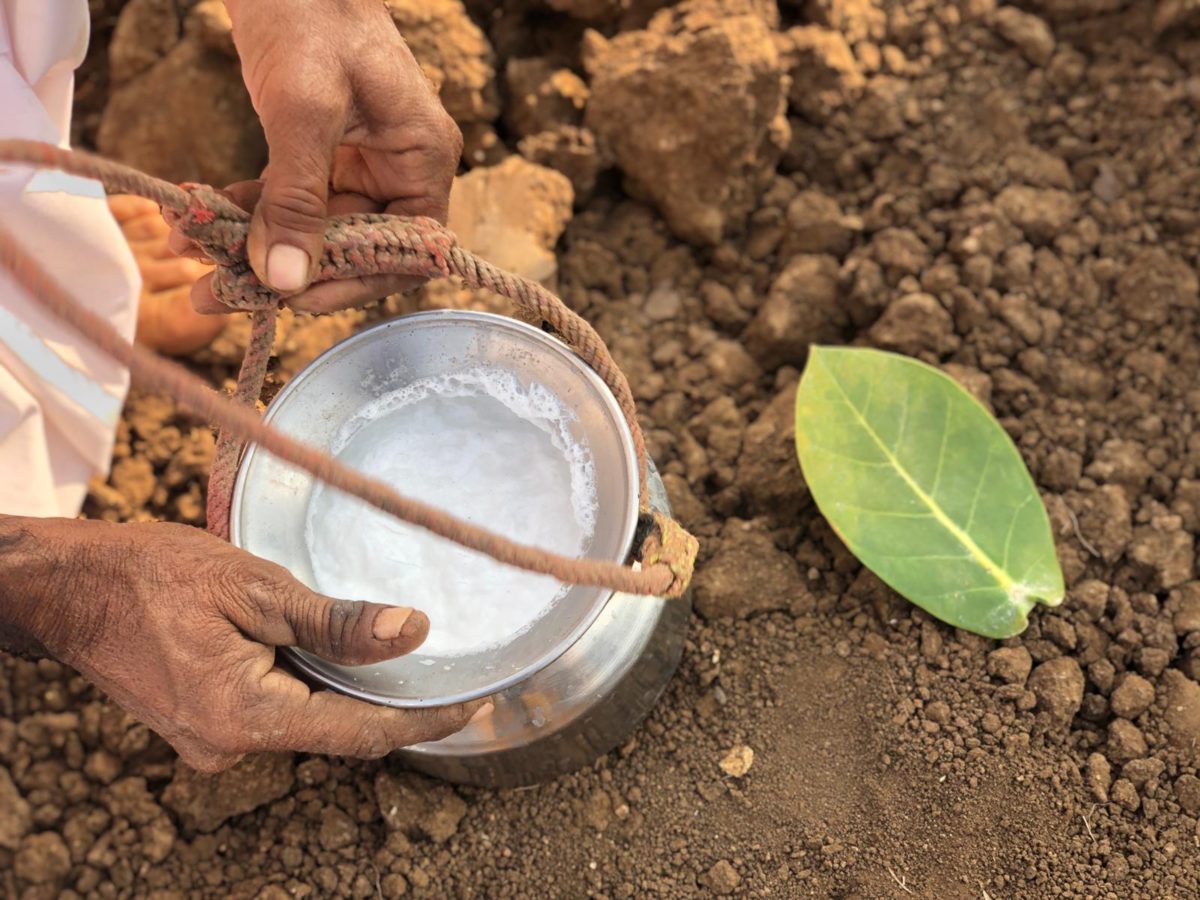
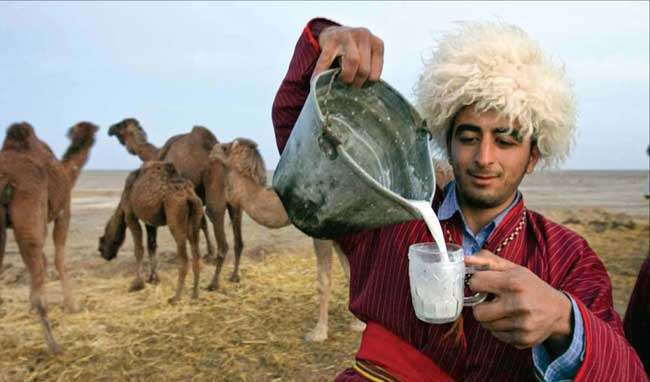
camel milk is usually consume as raw by the nomadic people.
People always ask the question ‘if camel milk is free from Lactose, I always reply with a big no because camel milk has the same quantity of Lactose as a cow (4%). Camel milk is misunderstood as low lactose milk which is wrong. Camel milk has the same quantity of lactose as cow milk but the lactate produced (from the camel milk lactic acid bacteria fermentation) in the gut is 100% L-lactate which is not intolerant as D-lactate. Cow milk synthesizes the highest level of D-Lactate, therefore intolerant to some guts (lactose intolerance).
“Camel lactose is strictly the same as cow or goat lactose!! It is probably the product of lactose fermentation (D or L- lactate) in relationship with the camel milk lactic bacteria strains which could be the different response of famous camelogist Dr. Bernard Fay”
Lactate is a product of lactose fermentation in the gut, but the natural microflora of camel milk facilitates the production of L- lactate. Here is the link to my article, you can read the comments as well. Please share your feedback and opinion.
The idea of the Global Camel Research and Development Network has already been floated. Many members from different quarters of the world have joined. The camel scientists working in the field are part of the network. The organization will work in 4 main areas; 1. Supporting research with small grants and technical support (supervisory help) with at least 2 scholarships each year. 2. Developing training material for research and products development 3. CAMEL magazine quarterly, the website camel4all.info will be the posting domain 4. Bi-annual zoom meeting and a conference once in 2 years (physical)
The Body of the Network
A body of working groups will work together to smoothly run the network and support the camel research and development.
APresident and general secretary: President will be responsible for the whole organization and the general secretary will keep the communication and record of the whole interactions and happenings
BProposal review committee: Each year, the committee will call for small grant research proposals, 2 research will be allocated with grants. The president will send the fund in 2 episodes. The researchers will communicate with the head of the committee, and satisfy the committee members.
CEditing and reviewing committee of the CAMEL: Each quarter, the CAMEL magazine will be released. The editor and his team will perform this task. At least 3 articles/field reports, first-hand information of the field, etc will be posted and the maximum can be 6 reports
D Training material production and reviewing committee: The committee will be responsible for finalizing training material for each task like milking, product development, etc.
Please come, join and play your role
I invite you to join our network and play your role in the camel research and development area. Just joining will not help the camel production and research but playing an active and useful role will certainly be useful. Please share the link in your circles and find support for the network. We are not earning from networking, all working voluntarily. The author has already sponsored the first small grant for the research.
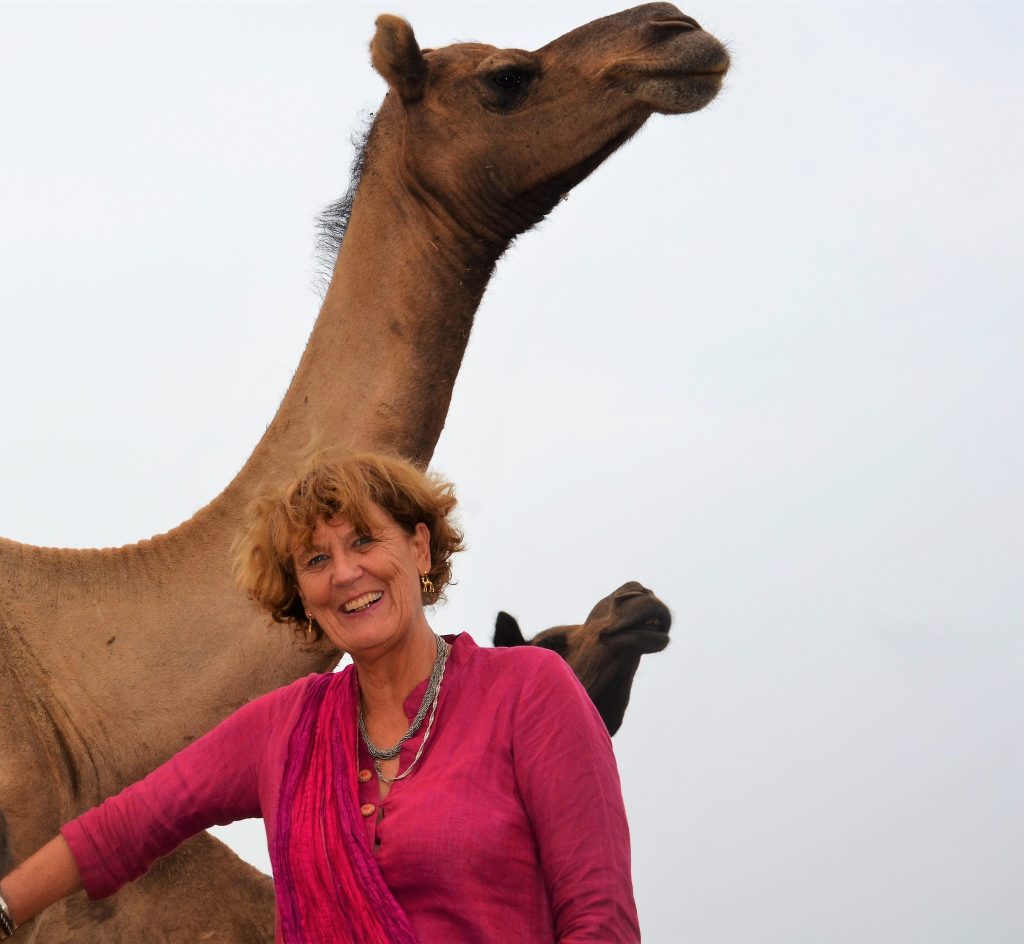
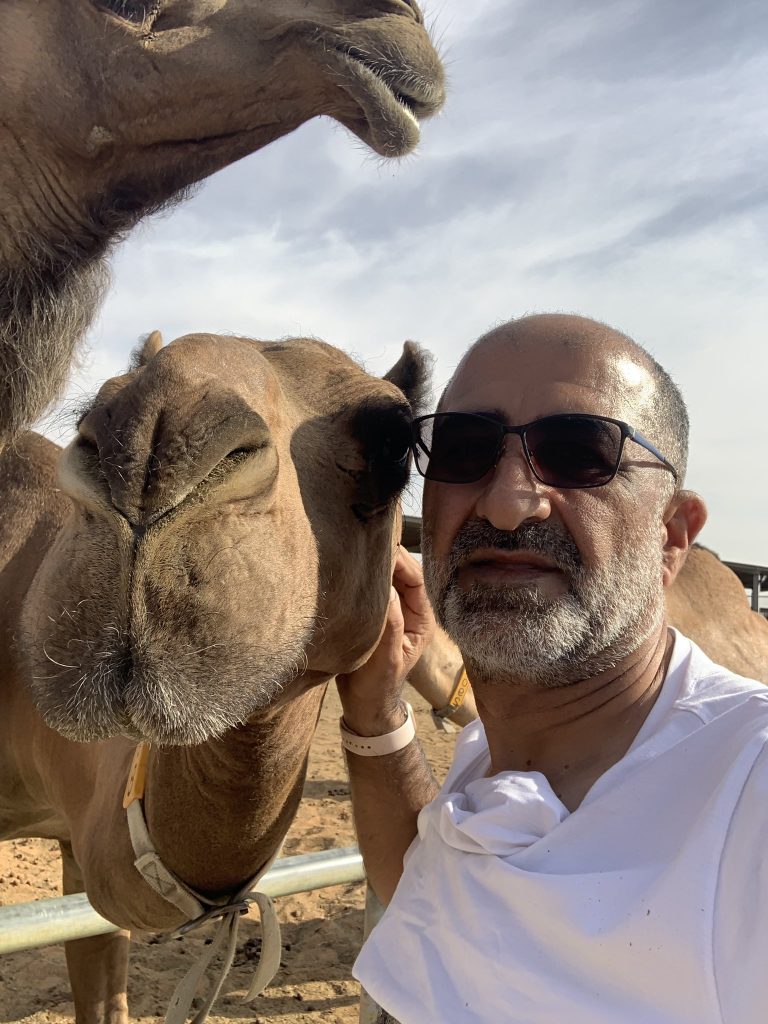
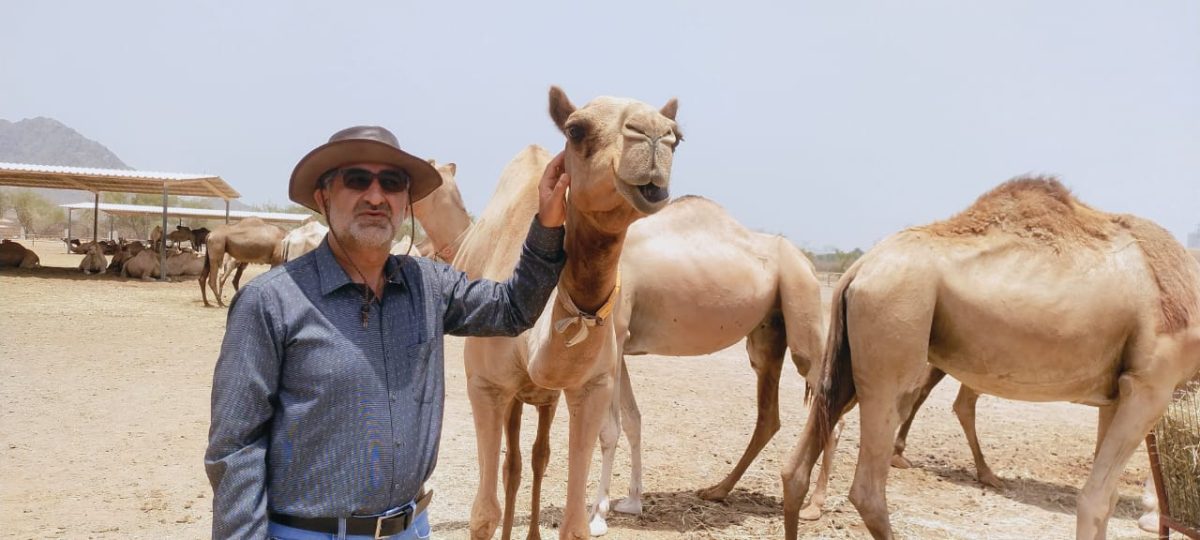
Founder of the World Camel Day with a beautiful happy camel in Fujairah UAE.
The idea of a scientific network on different aspects of camels (production, conservation & management, ecosystems, heritage & culture, and very specific about milk production, product diversification, camel milk business, promotion & advocacy, etc.) is already motivated and the network is organized (though very basic and virtual).
The beauty of the camels
The First Step is Done and the Way Forward
The first step is to manage an email list and WhatsApp group (which we did already done). Scholars, camel scientists, camel milk business/dairy, and products research/diversification professionals are welcome to join. Also, I request the camel milk business entities fund the research proposals. The next step is having a zoom meeting, and organizing a fund for small grants scholarships, a research proposal format, and a committee to review the proposal and accept the scholarship.
Please support the camel research and development
We need support from you all in reviewing, organizational management, fundraising, organization registration of the network, etc. Please note that there is no use in just joining, every member has to invest in 2 ways in the network as; either time for managemental and review work or have to fund for the research grants. Global Camel Research and Development Network (GCRDN), the main thinktank behind this organization is Camel4life International (advocacy group). We already have a very strong WhatsApp network (more than 250 members) and a website; camel4all.info. Soon we will be calling for a small grant proposal, which will start in 2023, and arrangement for publications. We are going to start a quarterly camel magazine as well for camel news and general articles. I need your help and support. Please give your suggestions about the zoom meeting timing and schedule.
The Camel milk business is worth > 11 billion US dollars annually, 70% of camel milk is consumed by camel owners and never reaches the market but some companies (farmers, cooperatives, and corporations) process and market the camel milk. Because of the availability of camel milk in the market, the consumption of camel milk is increasing, and is an ever-increasing demand for it mainly because of health reasons.
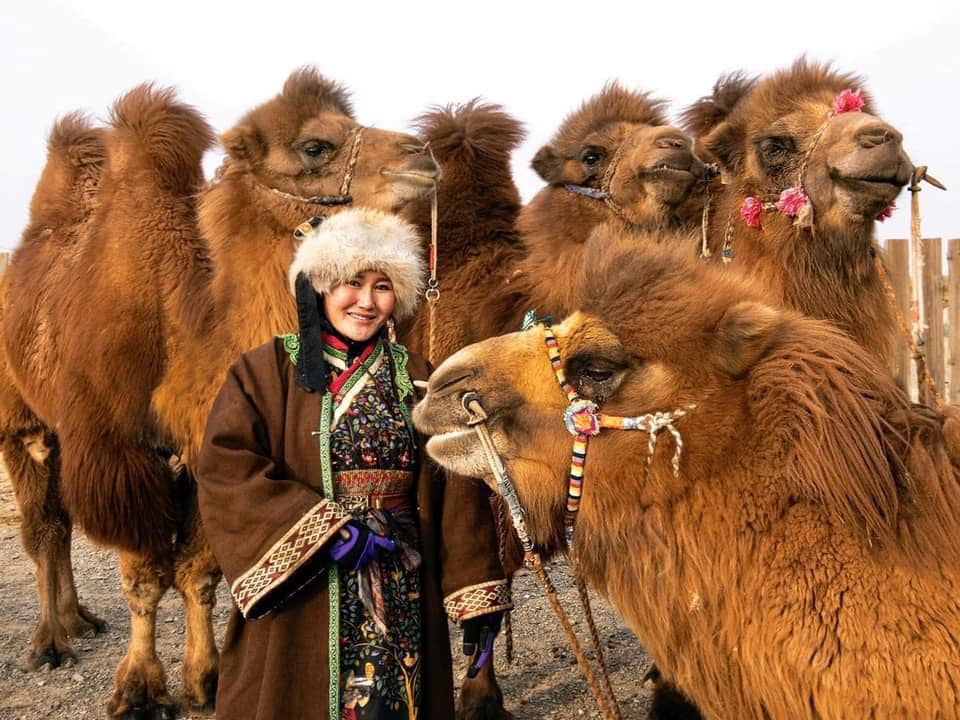
Baikal - the Mongolian camel queen. She walked with the camels for more than 5000 km.
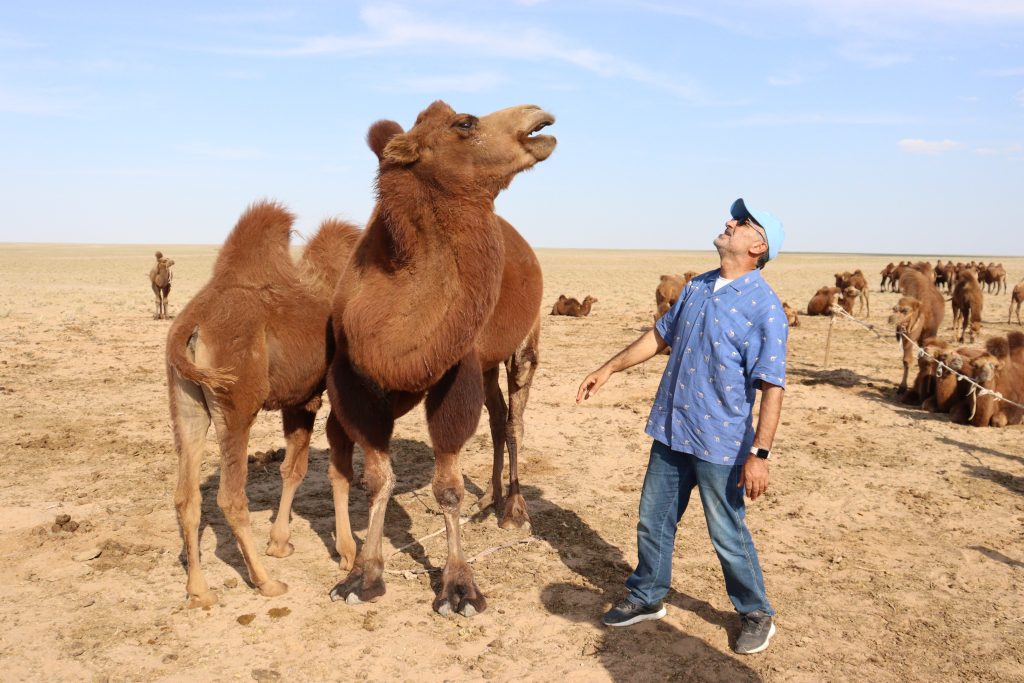
Visit of Mongolian Bactrian camels and their Ecosystem
In April 2018, the author visited Mongolia, especially the Gobi desert to visit the Bactrian camel herders and explore the potential of camels in their unique ecosystem. The details of the survey report can be read at the link.
There are 3 types of Bactrian camels in the region, i.e.
Galba Gobiin Ulaan (Reddish-colored camel)
Khaniin Khestiin Khuren (Brown colored camel)
Thukhum MTungologiin kKhos Zogdott Khuren (double line neck hair)
Beautiful Bactrian Calf
Breeding Season
The breeding season starts in October and reached its peak in December and slowly declines and ceases in April. Usually, one Bull is enough for up to 70 she-camels. The details of the production traits are given in the table below.
Table: The Production Traits of the Bactrian camel in the region
Months
Conception Rate (%)
Calving %age
Avg. Milk (kg)
Jan
25
25
0.1
Feb
15
16
0.15
Mar
4
5
0.175
Apr
2
3
0.2
May
2
1
0.3
Jun
1
1
1.2
Jul
1
1
1.8
Aug
1
2
1.6
Sep
3
2
1.5
Oct
5
4
0.5
Nov
16
15
0.17
Dec
25
25
0.1
Breeding season, Percentile of fertility, and milk production
The milk production potential and the lactation curve
Though the Bactrian milk production potential is lower (1-3 liter/day) compared to the Arabian camel (5-15 liter/day), the Bactrian milk is thicker (up to 14% total solids) and full of energy to give special strength to the calf to survive in challenging cold environment. The average milk production based on my survey is 640 ml/day (< 1 kg/day) with a lactation yield of 233 kg. The lactation here is calculated on the annual basis but in actuality, the camel produces for up to 8 months, producing 185 liters in 250 days. Here milk production means the milk which was harvested by the milker keeping in view the calf requirements.
Bactrian camel milk composition
No.
Component
Avg. %
Highest level
1
Protein
3.5
4
2
Fat
3.5
5.5
3
Lactose
4
5
4
Ash
0.8
0.85
5
Total Solid
12
14
6
pH
6.3
6.6
Milk composition derived from scientific literature for Bactrian
Physical-chemical characterizations of Mongolian Bactrian camel milk
Components %
Bactrian (BCaM)
Arabian (ACaM)
Specific gravity
1.014
1.017
pH Values
6.43
6.77
Total Solids
14.23
12.74
Fat
5.39
4.47
Protein
3.2
3.2
Casein
2.5
2.5
Lactose
5.1
4.95
Ash
0.8
0.7
Comparative composition reported from Mongolia by GansaiKhan et al 2011
Some Important Notes about the Bactrian camel Milk
The BCaM has higher contents of long chain (polyunsaturated) fatty acids (Mostly C18:1), safe for our heart and circulation system.
The BCaM has higher contents of Vit. A and Vit. C, providing additional vitality and survivability to cell life and health.
BCaM is rich with Immunoglobulin (considered as supper immune bullets) enabling our health to resist all types of infectious microbiomes.
The above facts are equally true for Arabian camel milk (ACaM).
Camel Milk Products
The nomads use camel milk as fresh directly. The surplus is converted into a fermented product (Hormook). The Hormook is used very widely and some products are available in the market in Ulaanbaatar. For further details about Bactrian milk, you can go to the link Detailed Nutritional Composition of Bactrian Camel’s Milk
Hormook
The surplus Harmok is converted into CM Vodka and the residues are used to make Curt. Curt and Vodka are offered to the guests as a unique product of the Gobi.
The Attachment of Nomads with camel
The nomads love their camel very much. They call it Themeh in the Mongolian language. They use camels for milk, riding/racing, festivals, wool, and also for meat (in rare cases).
World Camel Day (WCD) Session on 24 tv Channel Riyadh Saudi Arabia
The session was directly covered by the 24 sport channel of Saudi Arabia. It was a 1 hour live seminar about the world camel day. Abu Muhammad Bin Oudah (camel farmer from KSA), Dr. Suleiman, Dr. Mubarak Swelem, Dr. Abdul RAZIQ Kakar (the founder of the world camel day) participated in the conference.
Bin Oudah spoke about the present status and future prospects of the camel in Saudi Arabia. He emphasized on the role of camel in Saudi culture and business. He was quite optimistic with the future of the camel in Saudi Arabia and the world. He suggested to be get ready well in time for the year of camelids in 2024.
Camel is the Animal of Future
Future of the camel is very bright because it is highly adapted to the harsh climate conditions. It can sustain milk production (where temperature reaches to 52C) in conditions where the other type of livestock can hardly survive. The camels eat the food mainly based on woody material which has otherwise no use except burning for fuel. The camel convert such wood material into valuable food for human (milk, meat) and detritivores (manure). Adaptation is the real worth of camel and the utmost need of the human being. We need livestock for our food security to be convenient in harsh weather and doesn’t need much inputs like more water, cooling, biosafety, specialized food etc.
2024 is the year of Camelids, specified by the UNFAO. I wish the policymakers and scientist recognize and appreciate the camel as the highly adapted livestock ensuring food security and managing the fragile ecosystem under the climate change scenario.
Dr. Muhammad Suleiman detailed out the issues, problems and challenges of the camels in Saudi Arabia. He mentioned the challenges for the camel as; no proper knowledge/practice about the diseases, especially with the climate change as new health challenges are emerging. He stressed on coordinated efforts to organize a serious forum to have a comprehensive work on the camel health challenges.
Dr. Mubarak Swelem highlighted the importance of the camel as a business opportunity in the kingdom and abroad. He elaborated that investment in the camel can increase the business opportunities and jobs for the people in the camel world. He suggested to find out the chances which can be grabbed for the business opportunities in the camel world.
Dr. Abdul RAZIQ Kakar (author and key speaker) was stormed by many questions from all the 3 panelists/presenters and the TV anchor person. In following lines I’m sharing the questions along with the answers.
Q 1. Why a World Camel Day and what were the motives behind this idea?
Answer: No doubt the camel is well known and praised in some cultures but still it is hiding from the eyes of the major part of the world especially the policymakers. The camel is considered as the animal of old world and remote and regions. The policymakers have no clear understanding about the real worth of the incredible camels. In Australia without any support the camel increased in population manifolds. They helped in revegetation and revitalization of the remote drylands of the inner Australia but the policymakers of the country decided to kill the precious camels. Thousands of camels were killed in last few years. In other camel countries the camels are badly neglected and seldom considered in the research and development policies of the country. The overall understanding and knowledge about the camel is very rare and sporadic. In such a circumstances, I realized to have a specific day in the year’s calendar to speak about the camel and highlight its importance a the global level.
Q 2. When a World Camel Day was started?
Answer: With a small one day seminar in the beautiful city of Quetta (capital of Balochistan province of Pakistan) the foundation of the world camel day was laid. Interestingly, the first event was sponsored by a Saudi professor, Dr. Abdul Salam Abax from Qasseem area. The city of Quetta was selected because of the 50 % of the camels of Pakistan are only placed in Balochistan. Later on, each year many more people joined the WCD from different quarters of the world and now it is being celebrated in different parts of the world even in the regions which are not culturally familiar with the camel world.
Q 3. Why 22 June was selected for the world camel day?
Answer: June is the hottest month and 22 June is the hotted and longest day of the year. In such a challenging conditions, camel is the only player sustaining its own survival and providing precious food item to the people living in the deserted hot weathers. To praise and admire the importance of the camel, no other day is better than 22nd June.
Q 4. What is your message at the occasion of the World Camel Day?
Answer: Camel is the animal of future, sustaining food security under the challenging weathering conditions. The camel not only secure the food sustenance but also play a pivotal role in the ecosystem management. My message is to please love the camel, care the camel and give the camel a chance to play its role.
A successful World Camel Day Celebration to highlight the important role camels play in food security, desert ecosystems and how their products impact people’s lives
Dubai, 19 June 2022: ADCRC, the Arabian Desert Camel Riding Center, hosted its first World Camel Day Forum this Saturday. The event took place at Mawaheb Community Café and was completely booked out. The attendees were able to listen to some of the biggest names in the scientific camel research space including Dr. Raziq Karkar (author), founder of world camel day and Dr. Ilse Koehler-Rollefson, award winning author, researcher and activist, who had travelled from India. To celebrate the uniqueness, importance and relevance of the camel, ADCRC hosted their first forum in honor of World Camel Day, which is on 22nd of June each year.
Dr Raziq Kakar is delivering lecture
To know who, why and when – World Camel Day was celebrated
To know about the above important questions, please click on the links below;
The Camel Milk is a Natural Pharmacy and the Camel Revitalize the Deserts
Dr. Raziq Karkar (author) captured the audience’s attention with his personal story of how he went from not being able to walk due to arthritis at a young age, to being completely healed through camel milk in the mountains of Pakistan and how this was his inspiration to become a vet and expert on camel milk. His research in Al Ain has revealed how the desert ecosystem benefits from grazing camels, by distributing seeds and ensuring bio diversity in flora and fauna. He encouraged the audience to seek sources of camel milk, directly from farms or through the supermarkets. Karkar,said: “we are extremely lucky to be in the UAE , which is the only country in the world which has fresh camel milk available on supermarket shelves.”
Discussion about the historical background of the world camel day
Camels can Make the Fortune of the Pastoralists
Dr. Ilse Koehler-Rollefson, who lives in Rajasthan for over 30 years, has published many books on camel health but also camel related products and their dwindling economy, resulting India’s camel populating plummeting from once 1.5 million to just about 200,000 in a very short span of time, a very contrary situation comparing to the UAE. India used to be the listed as the third biggest camel population and is now faced with difficulties maintaining steady numbers. Dr Koehler-Rollefson outlined that a lack of lobby and cultural hurdles limit the sale of camel milk, despite the importance of maintaining camel pastoralism in Rajasthan, due to its desert climate.Apart from the question of food supply, camels in India were also a key driver for tourism, which poses an additional risk to the fragile local economy, should the numbers decline further.
Camel Milk is an Incredible Natural Medicine for Skin Health
The speakers were also joined by Stevi Lowmass, the CEO and founder of The Camel Soap Factory (TCSF). Lowmass outlined how she incorporates locally produced camel milk in her products to reduce carbon footprint but also because of the noticeable health benefits to the users of her products. TCSF contributed to the EXPO merchandise line and won Natural Beauty Product of the Year Award. Lowmass also spoke about initial apprehension towards camel milk as an ingredient but users have become loyal customers and ambassadors thanks to the superior quality and results.
Camel is an Amazing Companion Animal
The last speaker on the panel was Layla Donders, who travelled more than 2,500 kilometers with a camel caravan. The two journeys lead her from Damascus in Syria to Teheran in Iran and back into the UAE and Oman. She recounted the time of identifying the camels for her journey, back in Syria as a critical time and outlined who the relationship to the animals was the most critical part. She now lives near Muscat in Oman. Her oldest camel is now 28 years old and was part of the long journeys.
Author with a beautiful camel in Fujairah UAE
Camel Movie Night
In addition to the forum and panel discussion, Arabian Desert Camel Riding Center has arranged for a unique movie night at Roxy Cinema City Walk on Tuesday (21st June) as well as an event at the camel riding center, displaying different traditional camel riding gear and offering a camel milk tasting in the evening.
Arabian Desert Camel Riding on 22nd June
The Arabian Desert Camel Riding Center is the first licensed center to train camel jockeys for races, with an official training license issued by Dubai Camel Racing Club. The center was founded by Obaid bin Subaih al Falasi and Linda Krockenberger in January 2021. The centre will arrange a camel riding on 22nd June, the real camel day.
Dr. Raziq Kakar, the founder of the world camel day with a camel in Alain UAE
World Camel Day honors the incredible camel and its importance in many spheres of life. To highlight the importance of the camel at the global level, Dr. Abdul Raziq Kakar founded World Camel Day. Every year since its launch in 2009, World Camel Day has been celebrated on 22 June. Camel habitats observe World Camel Day on this date because it is the longest and hottest day of the year. https://arkbiodiv.com/2020/06/20/history-of-world-camel-day-22-june/
A herd of lactating camels grazing on cactus plants in Jigjiga
Why a World Camel Day?
Camel is a multipurpose, unique, and very useful animal for livelihood earning in the challenging climatic conditions of its habitats. Because of the towering power of adaptation, the camel ensures food security in conditions where other types of livestock can hardly survive. Camel is an efficient biological machine, converting poor roughages (shrubs, bushes, and dry foliage) into precious milk while consuming a lesser amount of water/kg milk production. The camel extracts water from its excreta and produces an almost dry and hard manure ball, as well as an extract from the urine via its incredible kidneys, producing urine thicker than syrup. Camel produces milk with medicinal and functional properties, rightly called a natural pharmacy. For further details please read the below article.
Celebrating World Camel Day and how it helps in advocating camel at the global level
Who is the author of the World Camel Day?
Dr. Raziq Kakar is a doctorate in animal science, with a special emphasis on dromedary as a potential dairy animal, He has been working with the camels for the last 22 years. He gained practical experience with camels, like a camel dairy professional, both by training and experience. Since 2014, Dr. Raziq Kakar is solely working with a camel dairying entity (Alain Farms for Livestock Production) which is the world’s first commercial camel dairy, Alain Abu Dhabi UAE. In my philosophy, the camel is a magical biological model coping with the warming planet scenario while producing health-promising milk and meat in challenging circumstances.
camel needs more salts than other large herbivores to adapt the challenging climatic conditions.
The Longest and Hottest Day is a Camel Day (22 June)
Camel is a multipurpose, unique, and very useful animal for livelihood earning in the challenging climatic conditions of its habitats. Because of the towering power of adaptation, the camel ensures food security in conditions where other types of livestock can hardly survive. Camel is an efficient biological machine, converting poor roughages (shrubs, bushes, and dry foliage) into precious milk while consuming a lesser amount of water/kg milk production. The camel extracts water from its excreta and produces an almost dry and hard manure ball, as well as an extract from the urine via its incredible kidneys, producing urine thicker than syrup. Camel produces milk with medicinal and functional properties, rightly called a natural pharmacy. Camel also provides fiber, hides, recreation, sports opportunities, transportation & accessibility to millions of people around the world. The camel plays an incredible role in dispersing seeds, enriching soil fertility, recycling the woody roughages into manure (food for the soil microbiome), and overall ecosystem management.
We celebrate World Camel Day to highlight the camel’s importance and usefulness among researchers, policymakers, and other stakeholders
Besides the above-discussed potential and opportunities, the camel is still hiding from the eyes of the policymakers. Camel is seldom considered in R&D policies, both locally and globally which is very unfortunate. Camel4Life International is an influential forum advocating camel at the global level, with a workforce of caramelized (camel scientists, nomads/pastoralists, farmers, students, lovers) from all over the world.
We celebrate World Camel Day each year on the 22nd of June to highlight the importance of an incredible camel and aware/educate the masses about the role of the camel in food security, climate change adaptation, culture, and ecosystem management. Each year, this day is celebrated in many parts of the world and the interest is increasing with the passing of each camel day. Dr. Abdul Raziq Kakar (author) is the founder and author of the world camel day.
The interest of the people beyond the camels’ habitats is also increasing and the demand for camel milk is increasing with the passage of time. More and more people are coming into the camel milk and sports business. We can see camel dairies in Western countries and regions like USE, Australia, and the European Union. Also, now we have camel racing in France and Australia, and soon more countries will enter the ring. The celebration of camel day is a success story and great support for the camel development.
A camel woman is milking a camel in the Cholistan desert of Pakistan.
A beautiful Hoor or Hur camel in Somali Region of Ethiopia
World Camel Day is Celebrated on 22nd June each Year in Different Regions of the World. Dr. Abdul Raziq Kakar is the founder of the world camel day.
Dr. Raziq Kakar is a doctorate in animal science, with a special emphasis on dromedary as a potential dairy animal, He has been working with the camels for the last 22 years. He gained practical experience with camels, like a camel dairy professional, both by training and experience. Since 2014, Dr. Raziq Kakar is solely working with a camel dairying entity (Alain Farms for Livestock Production) which is the world’s first commercial camel dairy, Alain Abu Dhabi UAE. In my philosophy, the camel is a magical biological model coping with the warming planet scenario while producing health-promising milk and meat in challenging circumstances.
History of the World Camel Day
While compiling my Ph.D. work, and reading piles of books and scientific articles about the camels and camel-related aspects, I realized that there must be a special day to celebrate World Camel Day. This day will be helpful in advocating and promoting camels and spreading awareness among the masses about the importance of the incredible camel in livelihood and food security.
Why do we choose the date of 22nd June?
In its original habitat, 21 and 22 June are the longest and hottest days of the year, in the northern hemisphere of the globe. Camel sustains its abilities of production in such harsh and hostile environments and adapts to the soaring heat and long thirsty days. For further reading about the history of World Camel Day, please go to the link below.
From 2009 to 2012 WCD was celebrated in the province of Balochistan (the important habitat of camels, 50% share of Pakistan’s 1 million population of camels). Slowly and gradually, we earned support at the country as well as global level.
World Camel Day Poster
In 2013, we launched the WCD Facebook page and received appreciation and support from all over the world. The next year, in 2014 WCD started celebrating in the different corners of the globe. The same year, LMUAF under the supervision of Dr. Muhammad Younas launched the Dachi camel milk brand in the university and invited the famous camel lady Ilse Kohler Rollefson to attend the WCD 2014 and inaugurate the Dachi milk. For more details, please click on the link;
World Camel Day is appealing to cameleers from all quarters of the world. Each year new ideas are being floated under the banner of World Camel Day. The people are now better aware of the importance of camel than before. We have more knowledge about the different aspects of the camels. There is an international camel advocacy forum (think tank) with the name of Camel4Life International, advocating camels at the global level. Policymakers at all levels are now convinced of the importance of camels in livelihood earning, food security, and ecosystem services of the camel.
Bactrian camels in Uzbekistan. The Bactrian have 2 humps
The Challenging Climatic Conditions
As the globe is getting warmer and warmer, the only reliable and trustworthy source of food left are the plants & animals’ genetic resources that are highly adaptable to the climate challenges. Adaptation is the guarantee for a sustainable and uninterrupted food supply despite all challenges. Camel is unique among all the adapted animal genetic resources for food and agriculture. We can say that the camel is a unique gift of nature for desert dwellers. As the camel is highly tolerant, adapted, efficient, and sustainable, ensuring food security in the arid regions of the world.
Brela camel of Pat (Sibi plainlands) of Balochistan Pakistan.
Despite some attention in the Anthropocene, the unique creature (camel) is either ignored or undermined by different quarters, especially the policymakers.
World Camel Day
The author, therefore, proposed a day (22nd June) to think and aware the masses about this precious animal and advocate for the camel to get a proper place again. Our camel advocacy forum CAMEL4LIFE INTERNATIONAL is advocating camels at all available forums, especially for its’ incredible milk, which is considered a natural pharmacy.
Raigi camel of Kakar Khurasan Zhob region of Pakistan
Thanks to all my camelists friends who supported my camel cause. I’m happy to see the progress of our forum, many quarters have realized the importance of the camel as a food security animal under the challenging climatic conditions.













![IMG_5761[1]](https://arkbiodiv.com/wp-content/uploads/2018/06/img_57611.jpg)