
On the eve of World Camel Day, 22 June 2026
Sustainable Dairy Livestock
Camels are increasingly recognized as one of the most sustainable dairy animals for the future food system, particularly in arid and climate-stressed regions. Domesticated primarily for milk over 3,000–5,000 years, camels evolved alongside humans in harsh environments, providing a reliable food source when other livestock fail. Their unique physiology enables them to produce milk with minimal water, low-quality forage, and extreme heat stress, making them highly efficient biological converters of marginal resources. Camel milk production remains stable across seasons, unlike other dairy species, ensuring continuous nutrition and income for pastoral communities. Beyond milk, camels contribute to soil health and ecosystem restoration by recycling woody vegetation into nutrient-rich manure, supporting biodiversity and combating desertification.

Camel Breeds with Tremendous Milk Potential
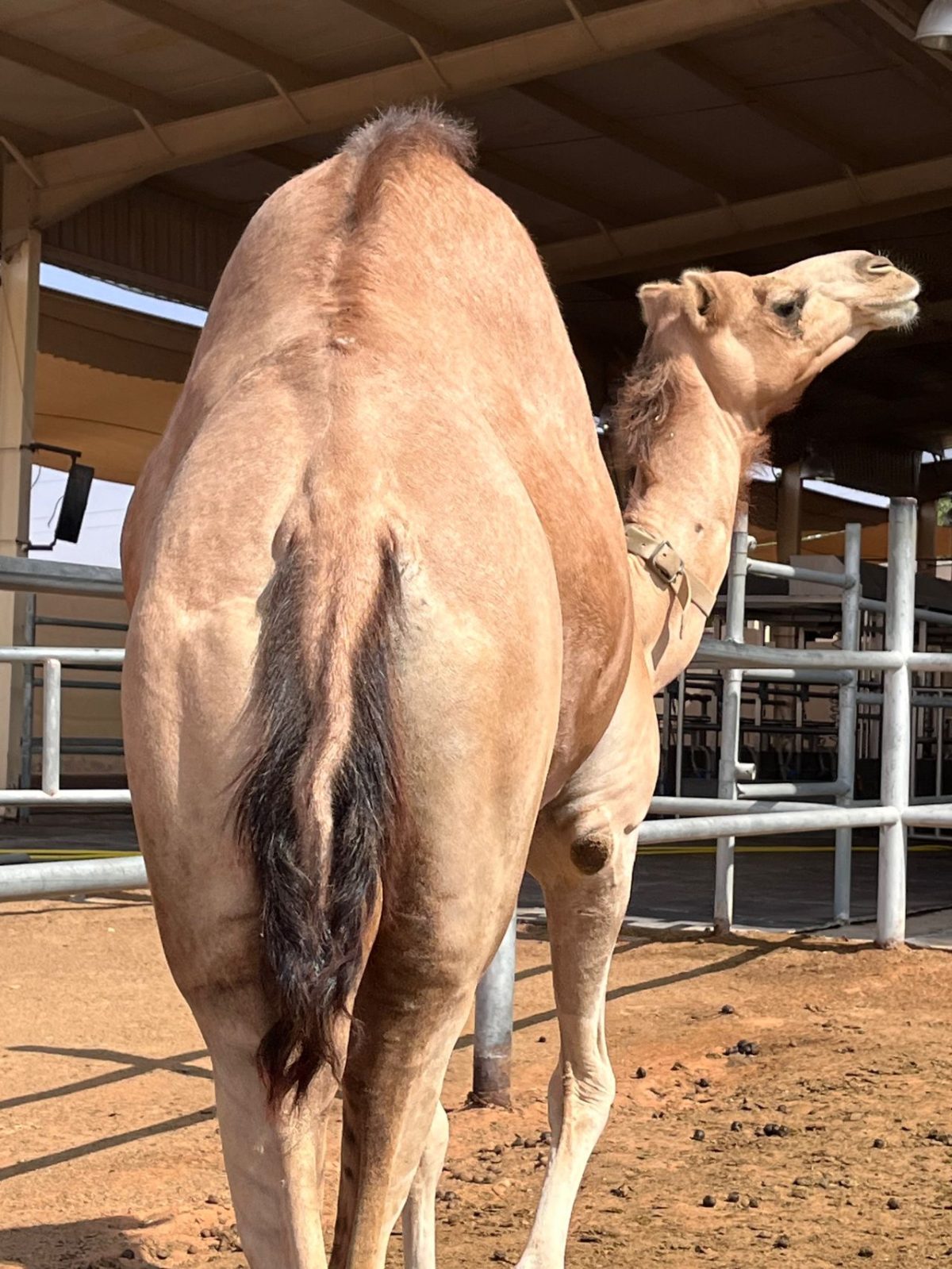
Among camel populations, dairy potential varies widely, with some breeds standing out as elite milk producers. The top dairy breeds include Brela, Majaheem (Hazmi), Khawarah, and Kharani, known for higher milk yields, better lactation consistency, and adaptability to both traditional and semi-intensive systems. The Brela camel, in particular, is gaining recognition for commercial dairying due to its productivity and manageable temperament.

A herd of Brela camels
A second tier of valuable dairy breeds includes Lassi, Sindhi, Marecha (Marrecha), Jaisalmeri, Arvana, and Hur, and others, which may produce moderate milk volumes but excel in resilience, disease tolerance, and survival under low-input systems. These breeds reflect centuries of natural selection and pastoral knowledge. Future breeding strategies should enhance productivity while safeguarding these adaptive traits, ensuring sustainable genetic improvement without compromising ecological balance.
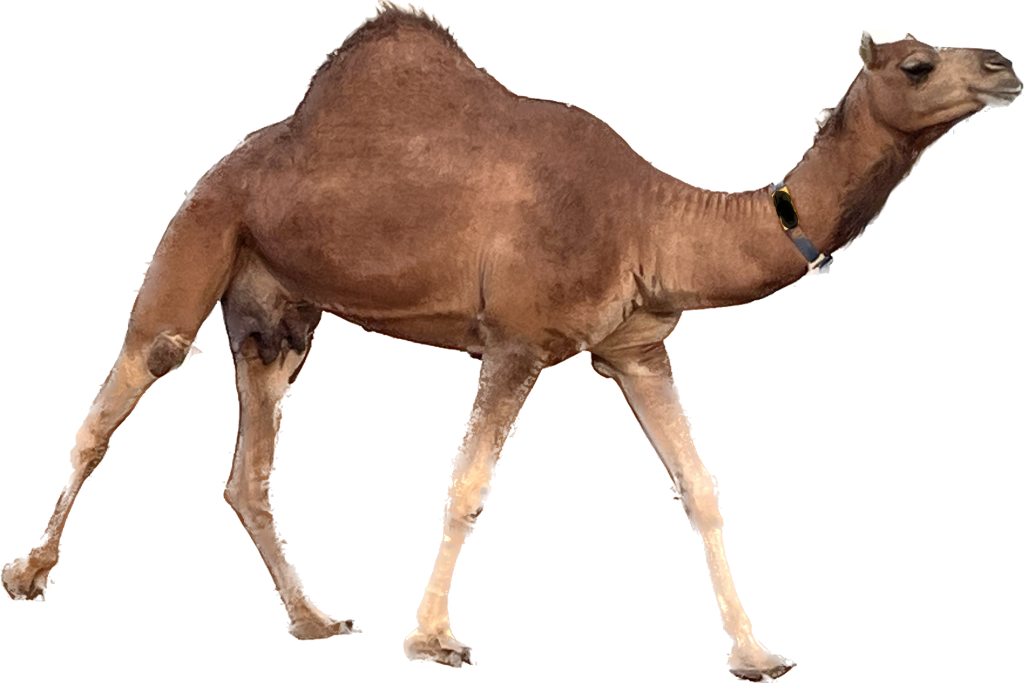
Camel is making it to space as a Guaranteed Food Security Animal
Camel dairying is evolving globally through both traditional strength and innovative adaptation. Pastoral systems remain central, offering mobility and efficient use of scarce resources, and in many drought‑affected regions, pastoralists are increasingly replacing cattle with camels due to their superior resilience under recurrent droughts and feed scarcity. A new semi‑market-oriented model is emerging in East and West Africa, where lactating camels are moved closer to peri‑urban areas to supply fresh milk directly to nearby cities, sustaining strong local demand without heavy reliance on cold chains.

Modern Camel Dairying
Alongside this, the Gulf region demonstrates a contrasting modern trajectory: the UAE, particularly Dubai and Al Ain, hosts some of the world’s most advanced camel dairies with thousands of camels and fully integrated, high‑tech production systems. Saudi Arabia is rapidly expanding the sector with companies like Althurath, Noug (Sawani), and other large-scale farms producing and commercializing camel milk under Vision 2030.
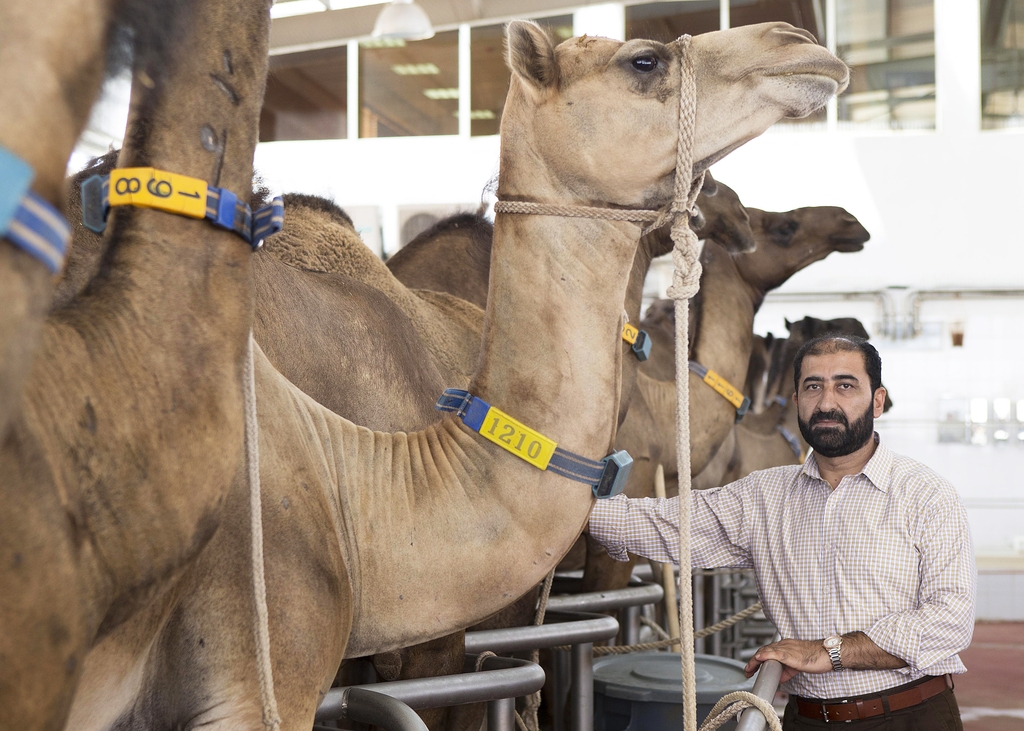
Globally, modern camel dairying is also gaining momentum beyond the GCC. In Central Asia, Kazakhstan is developing a structured camel dairy industry with enterprises such as Golden Camel Group, along with emerging regional processors supplying both domestic and export markets, especially for milk powder and fermented products like shubat. In China, the camel dairy sector is expanding rapidly, driven by health-conscious consumers and supported by companies like Xinjiang Wangyuan Camel Milk, Nala (Yili Nala Dairy Group), and several Xinjiang-based producers focusing on powder and functional nutrition markets. This diversification shows that camel milk is no longer limited to traditional regions, but is entering global food systems with both pastoral and industrial models contributing simultaneously.
Challenges in modern camel dairying
At the same time, camel dairying faces biological and management-related challenges that need careful consideration. Camels are inherently not suited to intensive farming systems, as they require continuous movement and have evolved to graze on diverse vegetation, including shrubs, trees, and desert flora. Controlled feeding regimes often fail to meet their complex nutritional needs. High-yielding camels, when pushed under intensive systems, face physiological stress due to increased nutrient demand, leading to metabolic and health complications.

Additionally, camels have a natural adaptation to store energy in the hump, which can predispose them to obesity under continuous feeding conditions, unlike other livestock. Reproductive limitations, particularly high calf mortality, further restrict rapid herd expansion and genetic improvement within farms. These challenges emphasize that future camel dairying must balance productivity with the species’ natural ecology, ensuring systems remain aligned with their evolutionary biology rather than forcing them into conventional intensive dairy models.
For further reading:
History of the World Camel Day
