Camel, a multipurpose livestock
For centuries, camels have been valued for their milk, meat, wool, transportation, and companionship in some of the world’s harshest environments. However, one valuable resource often goes unnoticed and underutilized: camel bones. Across Asia, the Middle East, and Africa, camel bones have quietly served human societies in many ways, ranging from traditional handicrafts and household tools to fertilizer and cultural artifacts. Today, in an era where sustainability and circular economies are gaining attention, camel bones offer exciting opportunities for income generation, rural enterprises, eco-friendly products, and cultural preservation.
Camel inedible products
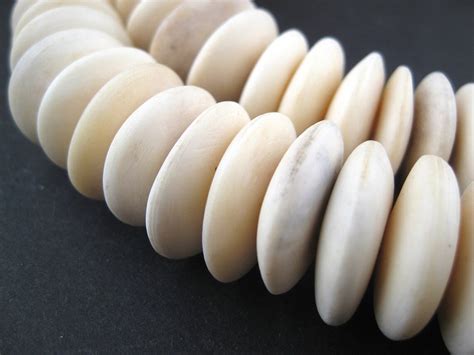
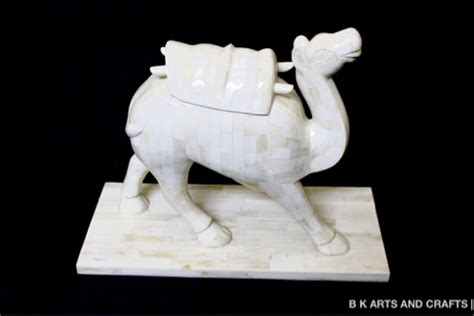
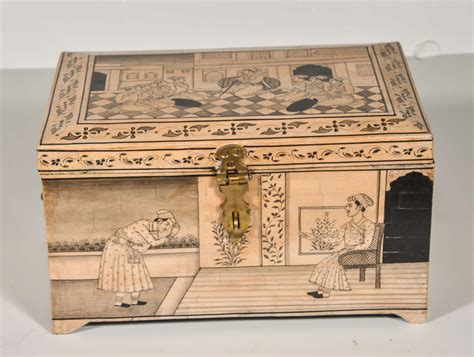
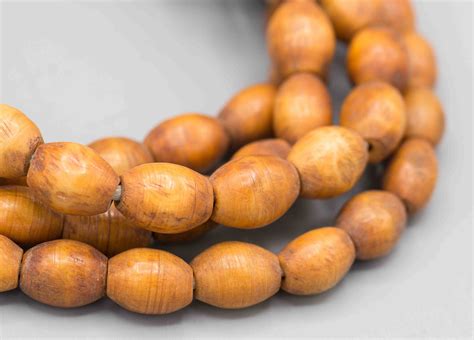
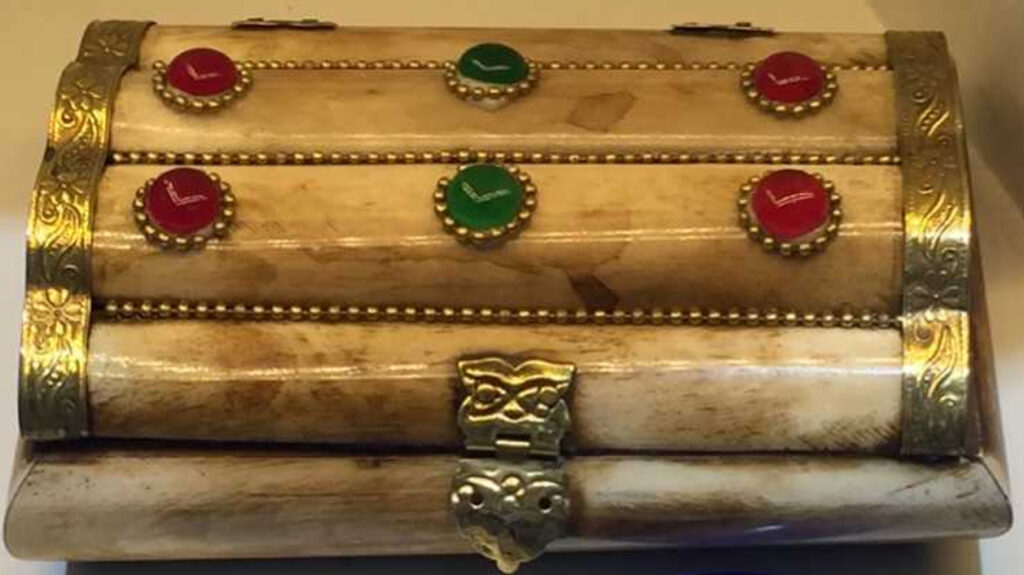
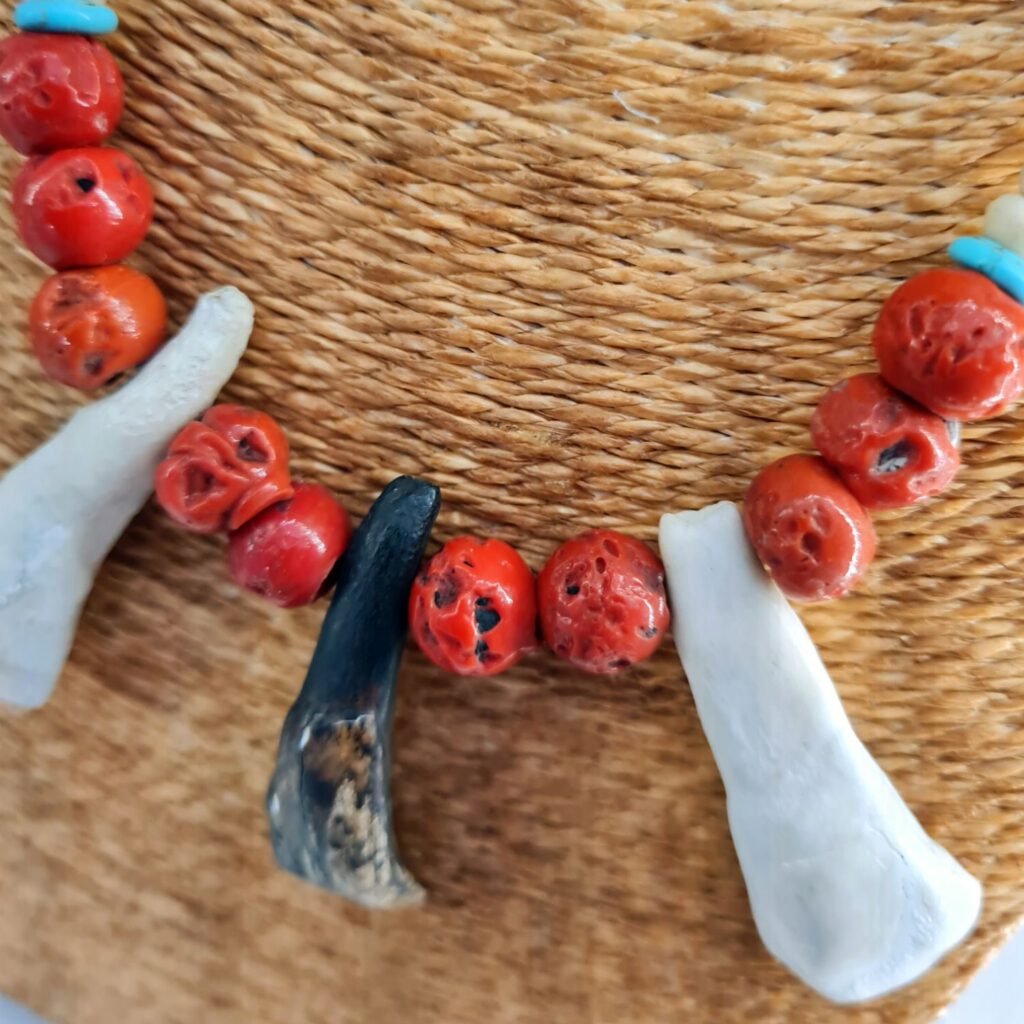
Traditionally, communities rarely wasted any part of a camel. After the meat, skin, and wool were utilized, bones were often transformed into useful objects. Skilled artisans carved camel bones into jewelry, prayer beads (Tasbih), decorative boxes, spoons, combs, buttons, knife handles, and ornamental pieces. The natural density and strength of camel bone make it particularly suitable for carving. When polished, camel bone develops a smooth ivory-like appearance with an attractive sheen. Unlike elephant ivory, which is associated with wildlife conservation concerns, camel bone represents a sustainable material derived from domesticated livestock and can serve as an ethical alternative in many craft applications.
The camel bones
The cultural significance of camel bone craftsmanship is remarkable. In parts of South Asia, the Arabian Peninsula, and North Africa, artisans have preserved carving traditions for generations. Decorative camel bone boxes, chess sets, musical instrument components, and traditional ornaments remain admired for their beauty and durability. Many of these handcrafted objects can survive for decades, often lasting fifty to one hundred years when properly maintained. Such products carry not only economic value but also stories of pastoral cultures and desert heritage.
One of the lesser-known uses of camel bone is in gastronomy. Camel bone broth has been prepared in various communities for generations. Slow cooking the bones over many hours releases minerals, collagen, gelatin, amino acids, and other nutrients into the broth. The resulting stock can be consumed as a nourishing beverage or used as a flavorful base for soups, stews, and traditional foods. With growing global interest in bone broths and functional foods, camel bone broth may represent a niche market opportunity, particularly in regions with strong camel traditions.
Camel bones are also valuable for agriculture. Bone meal produced from camel bones is rich in phosphorus and calcium, two essential nutrients for plant growth and root development. Farmers can collect, clean, dry, and grind camel bones into a fine powder to produce organic fertilizer. As interest in organic agriculture continues to increase, camel bone meal has the potential to become an important input for horticulture, home gardening, and sustainable farming systems. Similarly, charred camel bones can be processed into biochar-like products that contribute to soil improvement and nutrient retention.
Scientific research has highlighted another promising avenue. Camel bone-derived biomaterials are being investigated for medical and dental applications. Researchers have examined camel bone as a source of hydroxyapatite, a naturally occurring mineral used in bone grafting, tissue engineering, and regenerative medicine. Such studies suggest that camel bones may eventually contribute to highly specialized biomedical products. Although these applications remain largely within the scientific and industrial sectors, they demonstrate the remarkable value hidden within a resource often considered waste.
Camel bones in education and museums
Beyond their practical uses, camel bones can serve educational purposes. Starting from handwriting skills on it, skipula to complete in primary education to the skeletons and individual bones are widely used in veterinary colleges, zoological museums, schools, and research institutions to teach anatomy, osteology, and evolutionary biology. Camel farms and cultural centers could develop educational exhibits showcasing the remarkable adaptations of camel skeletons to desert life, creating another avenue for public awareness and income generation.
Camel Bones in Traditional Knowledge and Weather Forecasting
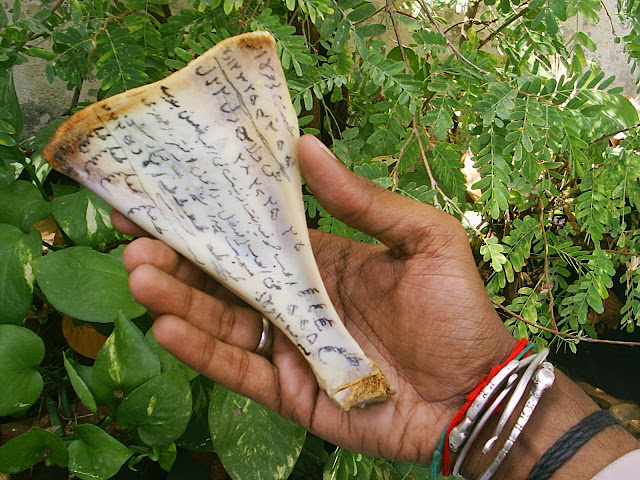
Among the many cultural uses of camel bones, one of the most fascinating is the traditional practice of reading the scapula (shoulder blade) to predict weather conditions and seasonal prospects. Known in some regions as scapulimancy or Kat Bini, this ancient knowledge system has been practiced by pastoral communities for generations. Among the Balochi people, experienced elders traditionally examine the cleaned scapula of a camel after careful preparation, observing its markings, lines, cracks, coloration, and other natural features. Based on these observations and centuries of accumulated indigenous knowledge, they forecast rainfall, drought, pasture availability, livestock productivity, and general weather patterns for the coming year. In arid landscapes where livelihoods depend heavily on grazing resources and seasonal rains, such predictions historically helped families plan migrations and herd management. Although modern meteorological science is now widely available, scapula reading remains an important element of Balochi cultural heritage and traditional ecological knowledge.

New Entrepreneurial Opportunities for Camel Communities
The greatest untapped value of camel bones may lie in entrepreneurship. Across the world, consumers are increasingly seeking authentic, handmade, sustainable, and ethically sourced products. Camel bone fits perfectly within these trends.
1. Luxury Fashion Accessories
Camel bone can be transformed into:
- Pendants
- Earrings
- Bracelets
- Rings
- Brooches
- Cufflinks
- Belt buckles
- Hair accessories
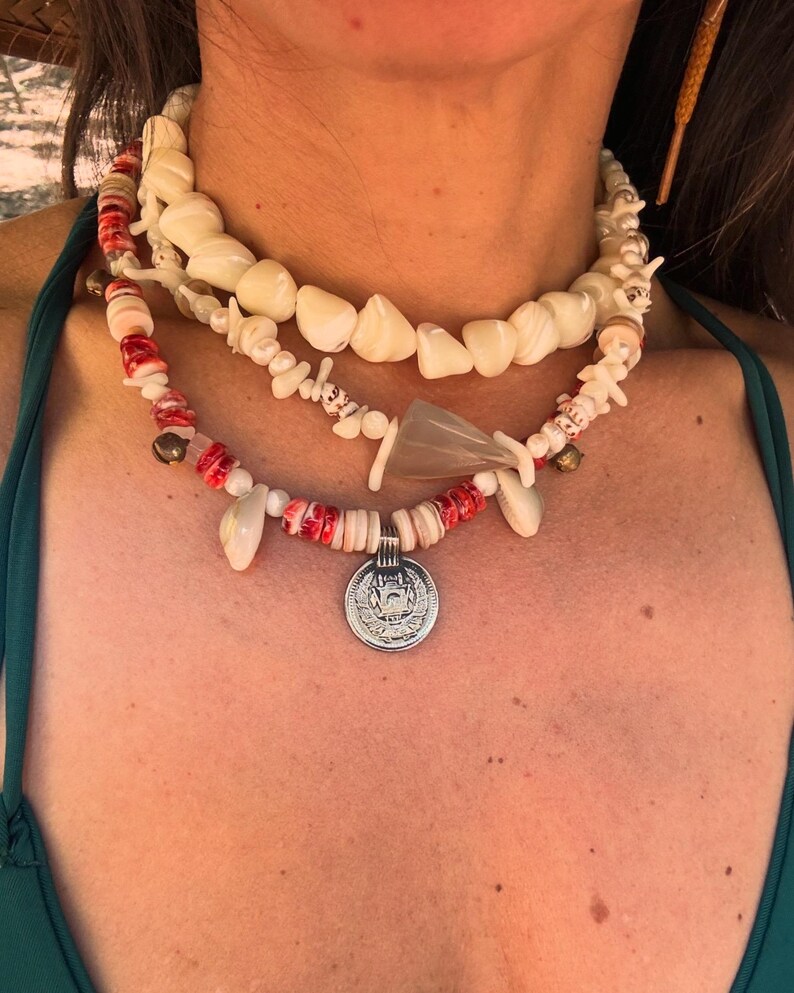
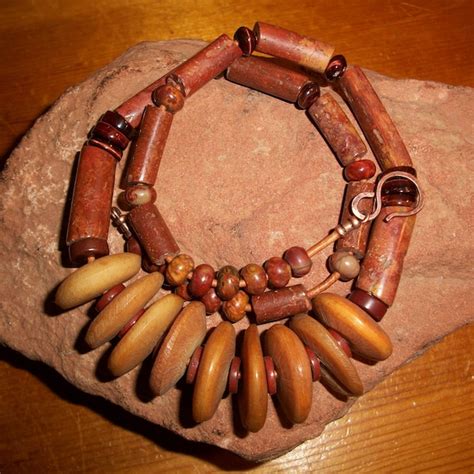
Designers could combine camel bone with silver, leather, camel wool, wood, or semi-precious stones to create premium products. Such items can be marketed as sustainable desert-inspired fashion with a strong cultural identity.

2. Designer Buttons for Garments
Fashion brands pay premium prices for unique natural buttons. Camel bone buttons could be produced for:
- Traditional clothing
- Jackets
- Coats
- Waistcoats
- Luxury shirts
- Handmade fashion collections
This niche market already exists for horn and bone buttons, creating a clear opportunity for camel-producing communities.
3. Sustainable Luxury Pens and Accessories
Camel bone can be used in:
- Fountain pens
- Letter openers
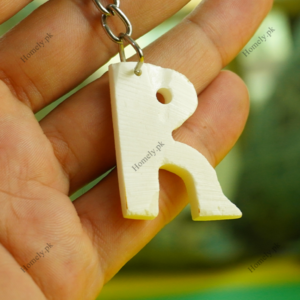
- Key chains
- Eyeglass frames
- Watch straps
- Bookmarks
Such products appeal to tourists, collectors, and luxury gift markets.
4. High-Value Tasbih Industry
Prayer beads made from camel bone are already appreciated for their beauty and durability. By combining traditional craftsmanship with modern branding and online marketing, artisans could reach customers throughout the Gulf countries, South Asia, Europe, and North America.

5. Home Décor Market
Camel bone inlay work can be incorporated into:
- Jewellery boxes
- Photo frames
- Decorative trays
- Mirrors
- Wall art
- Furniture accents
The demand for handcrafted décor continues to grow among consumers seeking authentic artisanal products.
6. Heritage Tourism and Craft Workshops
Camel farms, cultural villages, and museums could organize workshops where visitors learn:
- Bone carving techniques
- Traditional camel culture
- Sustainable use of animal resources
This transforms a simple craft into an educational and tourism experience.
7. Online Artisan Cooperatives
Camel pastoralists and artisan groups can collectively market products through:
- Etsy
- Amazon Handmade
- Shopify stores
- Regional heritage marketplaces
Instead of selling raw materials, communities can capture much greater value through finished products and storytelling.
Challenges and Responsible Use
While camel bone offers numerous opportunities, sustainability and ethics should guide all initiatives. Bones should originate from naturally deceased animals or legally processed livestock. Proper cleaning and sterilization are essential for public health and product quality. Training in design, finishing, packaging, branding, and digital marketing will further improve product value and market acceptance.
Conclusion
Camel bones are much more than a by-product of livestock production. They represent a bridge between tradition and innovation, linking pastoral heritage with modern opportunities in agriculture, fashion, handicrafts, tourism, education, and even biomedical research. What many people see as waste can become a valuable resource capable of generating income, preserving artisan skills, and promoting sustainable livelihoods for camel-dependent communities. By combining traditional knowledge with modern entrepreneurship, camel bones have the potential to create new economic opportunities while celebrating the enduring cultural legacy of the camel, the remarkable companion of desert civilizations.
References and Further Reading
1. Kakar, M.A. Raziq. (2023)
What Are the Uses of Camel Bones? ARKBIODIV.
This article discusses the traditional and practical uses of camel bones, including craftwork, bone broth, fertilizer, jewelry, and cultural applications.
🔗 https://arkbiodiv.com/2023/12/28/what-are-the-uses-of-camel-bones/
2. Alhijji, S. et al. (2022)
Camel Bone-Derived Hydroxyapatite for Biomedical Applications.
This scientific study explored the extraction and characterization of hydroxyapatite from camel bones and highlighted its potential use in bone regeneration, tissue engineering, and medical applications.
🔗 https://www.mdpi.com/1420-3049/27/22/7946
3. Food and Agriculture Organization (FAO)
Camel Production and Sustainable Use of Camel Resources.
FAO publications discuss the importance of utilizing all camel products and by-products within sustainable livestock production systems, contributing to rural livelihoods and circular economies.
🔗 https://www.fao.org
4. Wilson, R.T. (1998)
Camels.
A classic reference describing the biological, economic, and cultural importance of camels, including the utilization of camel by-products in traditional societies.
🔗 https://www.amazon.com/Camels-R-T-Wilson/dp/0851992350
5. Faye, B. (2015)
Role, Distribution and Perspectives of Camel Breeding in the Third Millennium Economies.
This paper discusses emerging opportunities for value addition and diversification of camel products in modern markets.
🔗 https://www.sciencedirect.com/science/article/pii/S1871141315000012
6. Mukasa-Mugerwa, E. (1981)
The Camel (Camelus dromedarius): A Bibliographical Review.
An extensive reference covering camel biology, production systems, and utilization of camel-derived products across different regions.
🔗 https://cgspace.cgiar.org/handle/10568/500
7. UNESCO Intangible Cultural Heritage
Traditional Craftsmanship and Cultural Heritage.
Useful for understanding how traditional carving and artisan skills contribute to cultural identity and rural income generation, concepts directly relevant to camel bone craftsmanship.
🔗 https://ich.unesco.org
Citation for this Article
Kakar, M.A. Raziq. (2026). Camel Bones: Turning Desert Heritage into Sustainable Wealth. ARKBIODIV.
Closing statement
The future of camel bones lies not only in their traditional uses but also in their transformation into high-value products that connect heritage, sustainability, and entrepreneurship. From artisan jewelry and luxury fashion accessories to organic fertilizers and biomedical materials, camel bones represent an untapped opportunity for camel-keeping communities. By combining indigenous knowledge with modern design, branding, and e-commerce, pastoral families can convert a neglected resource into a source of income while preserving their rich cultural heritage for future generations.